The best choice for balcony flowers: growing a pot of jasmine is better than anything else, just pay attention to these 3 points
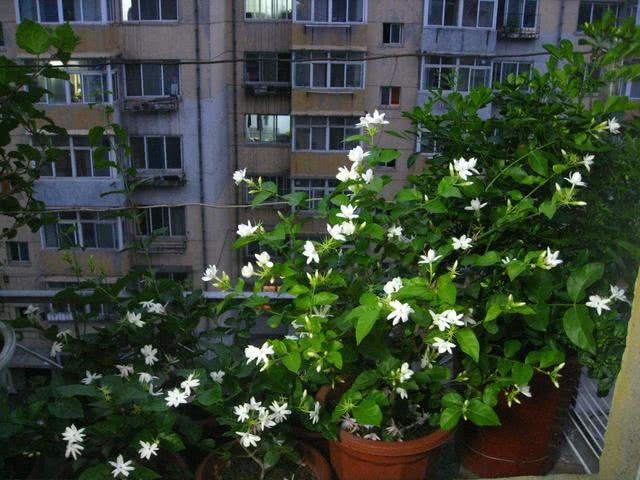
Gardeners often raise this question: their jasmine buds drop early, and flowers that have just opened wither within a few days. So today let's analyze together what causes these problems? Actually this is quite simple, and when you sum it up there are really just a few points.
First, the most important point is the issue of watering. Jasmine generally prefers a relatively moist environment. For watering, just use the method of checking the soil, and the potting soil should always be kept slightly moist, which is best for jasmine. So during the flowering period, if we water it slightly too much, it will cause water to stress the leaves, and even if the flowers open they will be very small.
Also, if you water too much, water will accumulate in the pot and the potting soil will not drain well. After water accumulates, it will cause root rot, and root rot will inevitably affect the roots' absorption of nutrients and water. The flowers will show problems early, so we just need to keep watering according to the proper state.
Second, let's talk about light and ventilation conditions. Sufficient light is indispensable for any flowering plant, so we must put jasmine in a place with plenty of light, so that its flowers can open normally. Also, if you keep it in semi-shade for a long time, and add conditions like humidity, it is very easy for buds to drop, and even opened flowers will wither.
Third, let's talk about fertilizing. The fertilizer jasmine needs differs with the season. Below let's discuss how jasmine should be fertilized in different seasons. Autumn is the period of the most vigorous growth for jasmine. At this time, you should follow the management of adding enough fertilizer and strengthening water, then apply fertilizer again, then irrigate again, repeating this cycle about two to four times a week.
At high temperatures, the interval between fertilizer and water should be shortened. If there is rainy weather, you can reduce the number of waterings and fertilizings, or not fertilize at all. After flowering, you can appropriately apply a small amount of fertilizer once, and about two weeks later apply a nitrogen-phosphorus-potassium compound fertilizer once, and dissolve monopotassium phosphate solution in water, then dilute it according to the ratio and spray it on the leaves, which can promote flower bud differentiation.
Fertilizing during the growing period. During the growing period, you should appropriately apply thin alum fertilizer water twice to prevent soil alkalization from causing leaves to yellow and drop. In summer, the fertilizer-water ratio should be kept at 9:1.
In November, spray a phosphorus-potassium fertilizer solution of the same concentration once or twice to improve the plant's ability to overwinter, and safely ensure winter fertilizing.