These 5 watering tips never go out of date after 10 years; master them and you are a plant-growing expert
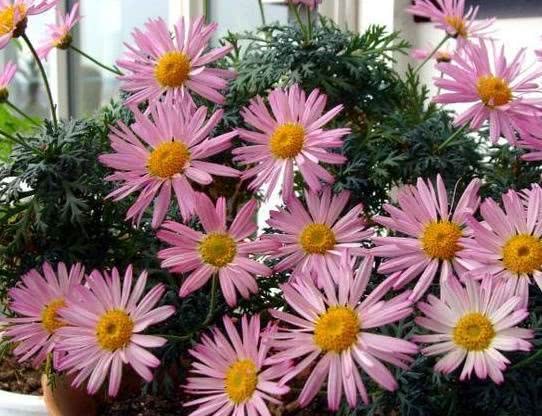
Keeping some flowers at home not only adds joy to life and makes life more vibrant, but also benefits physical and mental health, cultivates noble character, and inspires a love for life. Growing some plants indoors can improve the living environment and put green environmental protection into practice. Green plants can absorb carbon dioxide and release oxygen. Every square meter of green plants absorbs 90g of carbon dioxide and releases 60g of oxygen per day, so what knowledge is there about growing flowers? With these 5 watering tips below, casually learn a few and you are a plant-growing "expert", and they will not go out of date for 10 years!
1. Choosing the growing medium
The medium is actually all the materials used to grow flowers, including the commonly used garden soil, leaf mold, nutrient soil, river sand, ceramsite and sphagnum moss, etc. The most critical thing about potting soil is good drainage and breathability. The soil requirements of common household green plants are basically loose, fertile and well-drained. Prepare this kind of medium and growing flowers will be much easier than for others. Leaf mold, garden soil and river sand in a 5:3:2 ratio is a commonly used potting soil mix for green plants.
2. Techniques for judging when potting soil has dried out
Observing the color change of the potting soil is one of the common methods for judging the dryness and moisture of the potting soil. If you find that the surface of the potting soil turns white, it is a sign that the potting soil has dried out, reminding us that it is time to water. In addition to observing the color change of the potting soil, we can also judge whether the plant is short of water by observing the state of the plant leaves. If you find that the plant leaves are wilting, soft and lacking luster, it means the plant is short of water and should be watered as soon as possible.
The lift-the-pot method is the simplest. The flower pots we use for growing flowers on the balcony are all relatively small. You can lift the flower pot before and after watering to feel the weight. If the flower pot has clearly become very light, then it is short of water. The lift-the-pot method is for small flower pots. If you are using a large flower pot, then it is certainly not applicable.
3. Watering needs of flowers
Watering plants kept at home is not simply about knowing how many days apart to water once. That method is only suitable for growing flowers in a greenhouse, where the temperature and humidity do not change much all year round. Growing flowers in your own home means the temperature and humidity differ throughout the four seasons, so the watering frequency is naturally different. You can use your own finger or a dry wooden stick to test the dryness and moisture of the soil. If the soil is always wet, the roots will easily rot; if the soil is often too dry, the plant will wilt.
Generally, after flowers sprout, their water demand gradually increases, and by the vigorous growth period the water demand is even greater; during the flower bud differentiation period, water and fertilizer should be controlled to prevent flower drop; during the dormant period, the water demand is the least, especially for bulbous flowers, which must not be watered too much even in dry weather.
4. Water control in high temperatures
The timing of watering is aimed at the plant's growth period. Flower lovers should pay attention, especially since many flower lovers now grow succulents, which need water control in summer. Evening (dusk) is the best time to water, because in the evening the water temperature and soil temperature are relatively close, which helps cool the potting soil and let the plant release heat, and after water is replenished, the plant grows more rapidly at night.
The reason watering is not allowed at noon is that watering plants in summer easily makes them wither. This is because at noon the plant's transpiration is vigorous and leaf moisture is lost quickly, which requires the roots to absorb water from the soil quickly as well. But after watering, the soil temperature drops rapidly, which also lowers the root temperature, causing the root's life activities to slow down and water absorption to slow down. As a result, the plant wilts.
5. Flowers that can be grown indoors
Those flowers and trees that stay evergreen all year round are the most suitable to place indoors, and varieties such as spider plant, asparagus fern, evergreen, cactus, ivy and kalanchoe have the function of absorbing toxic gases and are suitable for indoors. Aloe, spider plant, snake plant, cast-iron plant and monstera are natural scavengers that can remove harmful substances from the air. Studies have shown that snake plant and spider plant can absorb more than 80% of harmful gases indoors, and their ability to absorb formaldehyde is extremely strong. Aloe is also good at absorbing formaldehyde and can absorb 90% of the formaldehyde contained in 1 cubic meter of air.
This is a gathering place for flower lovers, sharing flower care tips; you are welcome to follow and exchange ideas.