Why is a big sheep farming boss only one step away from bankruptcy?
The risk of bankruptcy for large-scale sheep farms may already be silently showing up in operations and management, and you big sheep farming bosses may not even know it yet. Come and check it out now!
?1. Blindly expanding infrastructure scale reduces the proportion of production input.
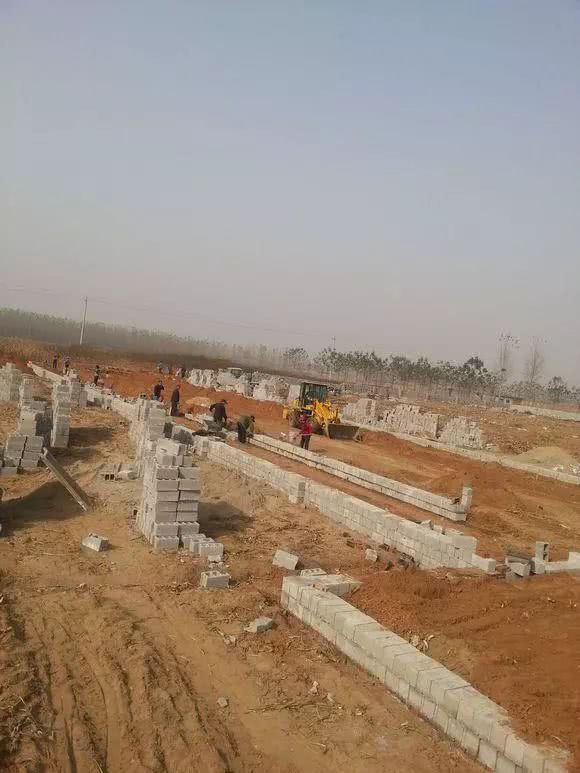
Some large-scale sheep farms that went bankrupt, driven by the idea that "the bigger the scale, the higher the profit," blindly expanded their infrastructure scale, and the proportion of funds invested in infrastructure was too high. But sheep farming is a low-profit farming industry, and the recovery of infrastructure investment is very slow and takes a long time. A high proportion of infrastructure funds will inevitably affect the turnover and efficiency of enterprise funds, causing the enterprise to operate under overload for a long time. A sheep farm is meant for raising sheep, not for looking at.
?2. The borrowing ratio is too high, and the proportion of own funds is too low.
Most large-scale sheep farms, when lacking sufficient own funds, borrow large amounts of private high-interest loans from individuals in order to earn high profits. For a large-scale farm with an investment of 1 million yuan, with 300,000 yuan in own funds, 500,000 yuan in private high-interest personal loans, and 200,000 yuan in loans, it must pay more than 7,000 yuan in interest every month, and 80,000 yuan to 100,000 yuan in interest for the whole year, which accounts for almost all of the profit. As difficulties in capital turnover intensify, creditors coming to demand repayment, unable to get back principal and interest, auction off the debtor's current assets, and bankruptcy happens in an instant. Big boss, have you calculated this account properly?
?3. The internal structure of the sheep farm is unreasonable, and blind production causes difficulties in capital recovery and turnover.
A sheep farm relies on income from raising and selling sheep to maintain overall operations. If the proportion of sheep-raising space is too small and other proportions are too large, the farm's income will inevitably decrease. The structural proportions for raising fattening sheep, lambs, and ewes must be adjusted and flexibly applied according to changes in market prices. Whichever item has a good price and sells quickly, the farm's structure should be adjusted rapidly to create a reasonable layout. Some blindly and rigidly invest funds, making capital recovery and operations difficult and trapping the funds. Some keep breeding rams for nothing, causing waste of feed and labor.
?4. Poor operations and management, unclear accounts, unclear income, or inability to make ends meet.
Most large-scale sheep farms lack technical knowledge in operations and management, and their thinking is still stuck at the mindset of the original household side business. Production has no plan, work has no goals, management has no level, there is no long-term planning, and short-term decisions merely follow the market. They trail behind market prices, blindly chase them, and keep suffering losses. The "three nothings" phenomenon is serious: no economic accounts, no approval for payments, and no dedicated financial personnel. The result is that profit and loss are hard to grasp, income and expenditure are unclear, expenses exceed income, and deficits are unavoidable.
?5. Low educational level, poor technical quality, and low operational and management ability are the root causes of the bankruptcy of current large-scale sheep farms.
Most owners or leaders of bankrupt sheep farms are barely educated or illiterate, and not many have higher primary or junior middle school education. Feeding, nutrition, and management techniques are backward, and hygiene, disinfection, and epidemic prevention measures are inadequate. Local cheap feed resources are not fully used, feed expenses are too high, and costs are too high. The concept of sheep raising has not changed, and the scientific reasoning for timely slaughter is hard for them to accept, so there is considerable feed waste. The awareness of hygiene and disinfection is weak, and acute and severe infectious diseases occur repeatedly, bringing devastating blows to large-scale sheep farms.
This article comes from the internet. If there is any infringement, please contact us for deletion.