How to dwarf a potted osmanthus? Master these practical methods
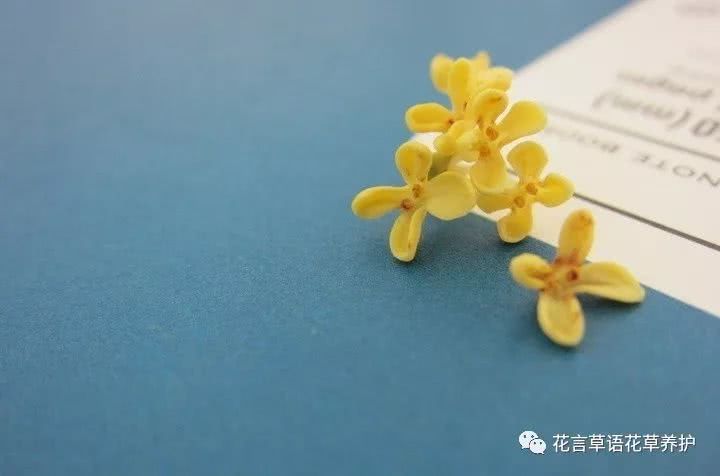
Osmanthus is also commonly used in pots. Potted osmanthus requires a well-proportioned plant shape, a compact crown, and gracefully spaced branches and leaves. Let's take a look at the dwarfing methods for potted osmanthus below.
Dwarfing methods for potted osmanthus
Head-pinching and bud-forcing method
In spring, to control the growth trend of potted osmanthus, when new branch tips grow rapidly and most tender branch tips have capped and stopped growing, you can cut off the tender tip tops of all new branches. For two- and three-year-old young trees, 2 or 3 new shoots can be retained at sparse positions on the branches to keep the crown neat.
After the tops of the branch tips are damaged, the vegetative growth points are redistributed. Spring is also a period of vigorous branch growth and root growth, but because all the new shoot tips are suddenly cut off, the balance between the roots and the crown is broken. Under this stimulation, the potted osmanthus needs to quickly reach a new balance, and thus bursts out with a stronger branching force. Therefore, around the cut branch tips, axillary buds will quickly begin to swell. These axillary buds can sprout in about 10 days, and their number is 4-5 times greater than before.
Long-branch bending method
If the branches of a potted osmanthus are of uneven lengths and the lower part of an overly long branch is very bare, you can bend the empty lower part of the long branch to fill the gap, so as to achieve the purpose of dwarfing and beautifying.
Generally, bending is done in the afternoon of late autumn. Before bending, water control is needed. Insert a small wooden stick beside the thinner branch, and the bent part needs to be tied to the small wooden stick. If the branch to be bent is relatively thick and hard, you can first twist and pinch the part to be bent several times to soften it.
If bending once may easily break the branch, you can insert two bamboo poles at the bending part, tie one tightly against the branch with fine hemp rope, then insert another bamboo pole in the direction where the bend is needed, and tie it with fine hemp rope as well.
In addition, the coiling form of the bend can be varied slightly to avoid stiffness. After bending, the branch needs to be kept in harmony with the other branches. Then use fine hemp rope to firmly tie all the bent places. The bamboo poles need to be inserted firmly to avoid tilting or being pulled out. In the spring of the following year, slightly prune and adjust the newly grown branches, and at the same time remove the binding hemp rope. By then the bent branch has become fixed and will no longer deform.
NowPlantsWordthe Taobao enterprise store has opened. We create a dedicated lazy-person flower-growing life for you.
Search "Huayan Caoyu Enterprise Store" on Taobao, and you can directly enter the store to make purchases.