Add this when growing clivias, and the leaves will be glossy green and they will bloom twice a year
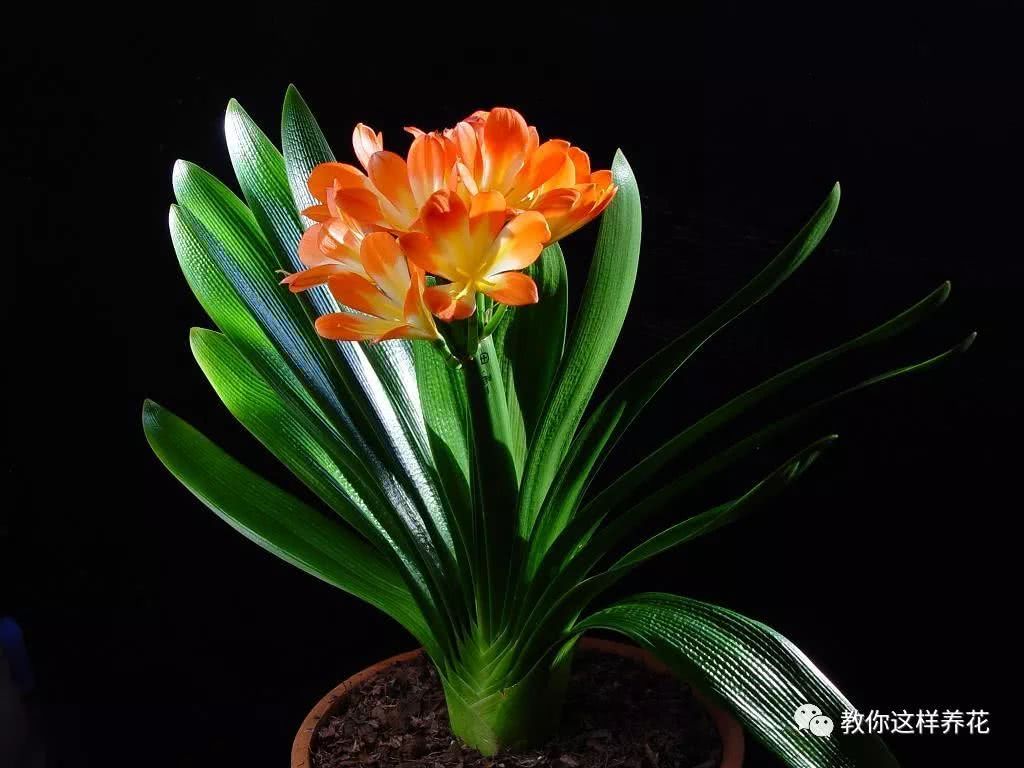
Everyone who has grown clivias hopes for glossy, oily-green leaves that anyone would admire. But many growers end up with dull, lusterless leaves that often turn yellow and scorched. What is the reason for this? Let's take a look!
“
Clivia
”
How to care for clivias
Clivia is a semi-shade plant that likes a warm and cool environment. Clivia has fleshy roots and is drought-tolerant, so it should be grown in loose, breathable potting soil. Soil moisture is generally around 30%, meaning you water only after the potting soil has dried out. It is best kept in a bright spot, with shading in summer.
Add a little of this to the clivia pot
The potting soil for clivias must be loose and breathable. A common mix is 6 parts leaf mold, 2 parts pine needle soil, 1 part river sand and 1 part base fertilizer. The base fertilizer in this mix is crucial. Clivias love fertilizer, so not only should you fertilize once every half month, but in spring you should also apply more phosphorus and potassium fertilizer so the flowers bloom more, bigger and brighter. Only with sufficient fertilizer is it possible for the plant to bloom twice!
So besides later top-dressing, the base fertilizer is also very important. Sufficient base fertilizer ensures the growth of the clivia and flower bud differentiation. Several kinds of oil-bearing materials work very well when added to the pot, making clivia leaves oily-green and producing more flowers. They are great snacks for clivias. Let's take a look.
-Add a little peanut to the soil-
Peanuts also contain a lot of phosphorus, making them a great source of phosphorus fertilizer. If you have peanuts at home, even expired or moldy ones will do, they can all be used to grow clivias. If they are salted, boil them in water first, then scoop the peanuts out, crush them and use them.
Peanuts can be used as a waist fertilizer. You can scrape back a layer of soil from the surface of the clivia, sprinkle the crushed peanut bits into the potting soil, and bury it again.
Peanuts in the shell are even better. The peanut shell is also natural cellulose, loose and breathable in texture, and can improve soil structure. Just crush everything together and add it to the flower pot.
You can also add a little when repotting, and the clivia leaves will be glossy green with flowers bursting out of the pot.
-Add a little sunflower seed to the soil-
The sunflower seeds should not be salted ones. It is best to use raw sunflower seeds and cook them directly. If they are salted, boil them once first, scoop them out, dry them in the sun and then use them. Crush the seeds together with the shells and add them when repotting.
When repotting, you can sprinkle the sunflower seeds at the bottom of the pot. The sunflower seeds in the pot gradually release oily substances and contain a lot of phosphorus, so the leaves will be especially glossy, as if waxed.
Of course, besides sunflower seeds, oil-bearing crops such as hemp seeds and walnut kernels have similar effects.
-Add a little bone meal to the soil-
Bone meal is a slow-release phosphorus and potassium fertilizer. As it decomposes, it slowly releases nutrients, which is very helpful for clivias to bloom and also promotes root growth. There is ready-made bone meal on the market. If you don't have any, you can also collect some chicken and duck bones, cook them soft in a pressure cooker, crush them and put them in the pot.
So feeding clivias a little snack
Makes the leaves oily-green and the flowers bloom twice
So beautiful!
Show this to the growers who need it!