Detailed Explanation of Potted Chrysanthemum Grafting Methods and Steps
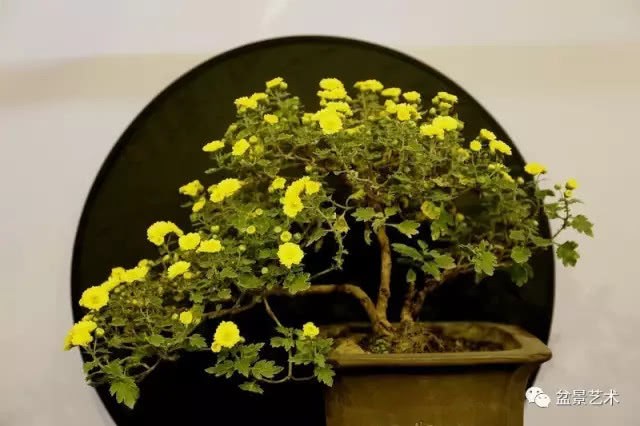
How to graft potted chrysanthemums? "Picking chrysanthemums by the eastern fence, I gaze serenely at the southern mountains." I believe everyone is familiar with this poem. Have you ever heard of chrysanthemum grafting? Today, the editor of Yunzhonglai Flowers will share some experience with you on how to graft potted chrysanthemums, just for flower lovers to discuss together.
How to graft potted chrysanthemums
Chrysanthemums are short-day, sun-loving plants that prefer a cool climate, are relatively cold-tolerant and drought-tolerant, and have strong stress resistance. The most suitable growth temperature is 18-21°C, and they hate waterlogging. Chrysanthemums can be grown in open fields, courtyards, and indoor pots.
1. Preparation before grafting
Substrate selection: Mix ordinary loess and sawdust in a 2:1 ratio, then spray with a 0.2% potassium permanganate solution to moisten and disinfect. Add 5 kg of decomposed rapeseed cake and 1 kg of diammonium phosphate to 100 kg of substrate, mix thoroughly, and put it into flower pots.
Rootstock selection: Choose perennial herbaceous plants of the Artemisia genus in the Asteraceae family with upright main stems and many branches as rootstocks. Species include Aba wormwood, Gansu-Qinghai wormwood, and wild mugwort. These herbaceous plants are distributed at altitudes of 2000-2900 m, growing in valleys, forest edges, riverbanks, field edges, and field ridges.
Rootstock transplanting: In late May or early June of summer, collect healthy, pest-free Aba wormwood, Gansu-Qinghai wormwood, and mugwort growing beside ditches and field ridges, and transplant them into flower pots.
Scion collection: Use current-year tender branches of locally cultivated chrysanthemums that are robust, pest-free, have similar flowering periods, full flower shapes, and harmonious flower colors. After collecting, immediately prune the scions, remove basal side branches and leaves, cut them into scions according to specifications, and then graft. Scions that are not grafted immediately should be soaked in water; they can also be grafted as they are collected.
2. Grafting time and method
Grafting time: After the rootstock is transplanted into the pot, wait until the seedlings have recovered and the seedlings enter their peak growth period, which is about 20 days after transplanting, then grafting can be done. Grafting must be carried out on sunny days between 9 a.m. and 4 p.m., when the survival rate of grafting is high.
Scion selection: The thickness of the scion should be the same as that of the rootstock. The scion is generally 8-10 cm long and has 3-4 buds.
Grafting method: The split grafting method is usually used. Cut the base of the scion on two sides into a wedge shape 2-3 cm long. The cut surface should be smooth and flat. On the rootstock, at a smooth spot 8-12 cm from the main branch, cut off the main branch of the rootstock and make a vertical slit 2-3 cm long in the center of the rootstock main branch. Then quickly dip the prepared wedge-shaped scion and rootstock in 100 ml/L No. 7 GGR, immediately insert the scion into the rootstock, align the cambium, tie tightly and firmly with plastic film from top to bottom, and then cut off the sprouts and leaves at the base of the rootstock branch. The grafting shape should be carried out according to the design. If a spherical flower is desired, first cut off the main top of the rootstock to promote a large number of side branches. When the side branches grow to a certain extent, complete the grafting all at once according to the spherical surface. If a pagoda-shaped flower is desired, graft in layers, grafting 1 layer about every 10 days until grafting is complete.
3. Management after grafting
Watering: Water thoroughly immediately after grafting, then observe frequently. Water when the soil in the pot turns yellow. Do not water too much or too little, which can cause root rot, excessive vegetative growth, or physiological drought and death. It is best to cover the flower pot with a plastic bag to increase the humidity around the plant and help the healing of the graft interface.
Removal of sprouts: After grafting, the rootstock is very likely to grow sprouting branches and buds, which should be removed in time to avoid competing with the scion for nutrients and water, which would affect the grafting survival rate.
Untying: Twenty days after grafting, the surviving grafts can have the tightly tied plastic film loosened, but it must not be untied, lest untimely untying cause poor healing of the interface and easy splitting, thereby affecting the survival rate. It can be untied when the new branches grow to about 15 cm.
Thinning branches and buds: After the grafted seedlings survive, they will grow many side branches. Therefore, weak or excessive side branches should be removed in time according to the design requirements to avoid competing for nutrients and affecting flower quality. Generally, 3-4 robust side branches are retained. After the flowers set buds, keep 1-2 vigorously growing flower buds at the top of each branch and remove the other buds. For grafted flowers with shapes, such as spherical ones, there is a sequence in grafting. In order to make the flowering period consistent, after the first grafted ones survive, immediately pinch them to promote side branches, and then pinch them together with the scions grafted later. After the flowers set buds, use wire or bamboo branches as supports, put on wire rings, and fix them on the rings according to the design, so as to make assorted chrysanthemums of different colors. To make them bloom earlier, control light during the growth period, with 8-10 hours of sunlight per day, but shading must be strict and uninterrupted. To delay flowering, add electric light every day in August-September. When flowering is needed, stop the light and they will slowly set buds and bloom.
Pest and disease control: From bud setting to the flowering period, they are very susceptible to aphids. After infection, move the flower pot outdoors and spray with a 1:1500 dilution of DDV, which has a short residual period and low toxicity, for the best control effect. Indoors, use a nicotine solution made by soaking cigarettes for control, but the cigarette nicotine solution should not be too concentrated, otherwise it will harm the flowers. This control method is environmentally friendly, harmless to people, and can kill aphids.
Using Aba wormwood, Gansu-Qinghai wormwood, and wild mugwort as rootstocks to graft chrysanthemums not only solves the problems of chrysanthemums being prone to lodging and excessive vegetative growth, but can also change some traits of chrysanthemums. The largest chrysanthemum diameter of a single grafted plant increased from 15 cm before grafting to 25 cm, and the flower size increased by 1-3 times compared with before grafting. The flower stem also thickened noticeably, increasing from 6-9 mm before grafting to 8-13 mm. The flower height also became noticeably shorter, decreasing from 75-120 cm before grafting to 67-93 cm. These greatly improve the quality of chrysanthemums and enhance the ornamental value for people who love and grow flowers. At the same time, grafted chrysanthemums can also enrich varieties, enrich colors, have changeable flower shapes, and countless postures, bringing business opportunities to production farmers and increasing commodity value.