Detailed Guide to Potted Rose Cultivation Methods and Care Essentials
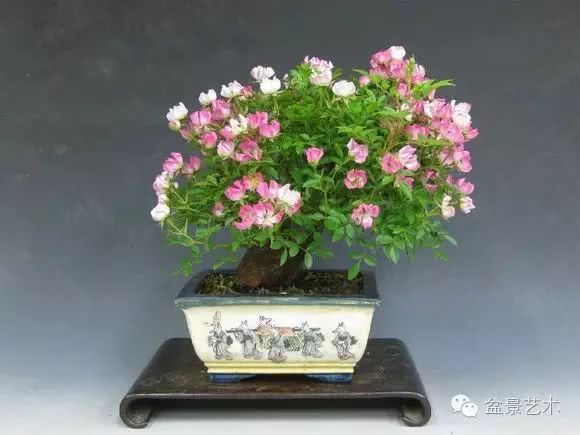
Cultivation Techniques
Roses are light-loving flowering shrubs that need plenty of sunlight. They are suited to growing in well-drained, fertile, moist soil.
Home-grown roses are prone to rose powdery mildew, with symptoms of: young leaves turning pale gray, leaves becoming twisted and covered with
a layer of white powder; in severe cases the leaves wither, the flowers are small and few, or the plant may not bloom at all, and the pathogen can also infect the flower stalk, stem and other parts. Take care to do the following:
1. Improve the growing conditions for roses: provide appropriate ventilation and light, apply less nitrogen fertilizer, and apply more phosphorus and potassium fertilizer.
2. After winter pruning, spray 1.02 kg/L lime sulfur agent to kill overwintering pathogens. Before the disease appears, spray 200 times equal-amount Bordeaux mixture for prevention; when the disease occurs, spray 15% fenarimol wettable powder at 1000 times dilution, or 70% thiophanate-methyl wettable powder at 1000 times dilution.
Artificial Cultivation
Its adaptability is quite broad; in our country, apart from areas with severe winter cold, the vast southern regions are all suitable for planting it. Wild roses rarely suffer from pests and diseases, while artificially cultivated ones commonly have sawflies, scale insects, aphids, as well as leaf scorch disease, canker disease, black spot disease and other pests and diseases. In addition to paying attention to spraying medicinal solutions to kill them, when arranging the landscape it should be used in combination with other flowers and trees, and it is not advisable to plant too many in one place. Every winter, old branches and densely growing branches are often heavily pruned to maintain good light penetration and ventilation, which can reduce pests and diseases. Pruning is an indispensable and important procedure in shaping roses for landscape arrangements; poor pruning results in a bunch of thorny tangles, uneven and irregular, not only with many pests and diseases but also unattractive in appearance.
The longer the plant trails, the more it blooms, and the more nutrients it needs. Every winter, soil should be mounded and fertilizer applied once to keep young branches and flower buds flourishing and the display colorful. When cultivating as potted flowers, even more attention should be paid to pruning and shaping. Because cut flowers have a large flower yield, during the flowering season they need to be fertilized 1 to 2 times per week, and attention should be paid to cultivating flower-bearing mother branches and cutting off flower buds on weak branches.
Propagation Methods
Rose seeds can be used for raising seedlings, but in production, softwood cuttings from the current year's young branches are mostly used, as they root easily. Rare and valuable varieties are harder to root from cuttings; they can be propagated by layering or grafting, and asexually propagated seedlings can bloom in the same year. For seedlings used as potted flowers, older branches from superior varieties should be selected, propagated by layering, and attention should also be paid to pruning the main bud and carrying out artificial dwarfing. For seedlings used as cut flowers, varieties that can form flower-bearing mother branches and have large, brightly colored flowers should be selected for propagation.
Common Diseases
Roses can be infected by many diseases, most of which are caused by fungi. Powdery mildew appears as pale grayish-white mold-like mycelial strands on the surface of young leaves and tender stems. Black spot disease is caused by fungi and appears as obvious black spots on the leaves; such leaves easily fall off. Rust disease is also a common disease of roses.
Wild roses rarely suffer from pests and diseases, while artificially cultivated ones commonly have sawflies, rose sawflies, scale insects, aphids, as well as leaf scorch disease, canker disease, black spot disease and other pests and diseases.