Feed pothos this kind of residue, and Grandpa Zhang's plants grow several meters long in one go
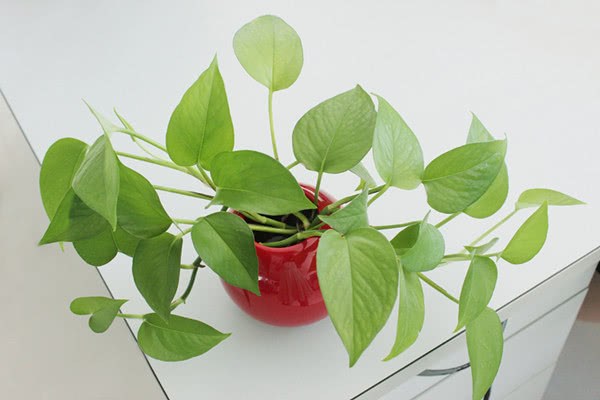
Modern people pay more and more attention to health preservation, not only in terms of diet, but also in their living environment, where they put in a lot of effort. To create a healthy living environment, many people choose to keep a few pots of green plants and flowers at home, especially foliage plants like pothos that are easy to grow and nice to look at, which are the most sought after.
Huahua knows a flower enthusiast, Grandpa Zhang, who especially loves growing pothos, and every pot of pothos in his home thrives, with vines sometimes growing several meters long. Huahua asked him about his care secret and found out that Grandpa Zhang never uses any flower fertilizer for his pothos; he just loves using one kind of "residue," and every time he uses a little, the pothos grows like crazy.
This residue is nothing expensive; it is the soybean residue left over from making soy milk in the morning. Grandpa Zhang collects this soybean residue and uses it to grow flowers. We all know that soybeans are rich in protein and other nutrients, and after fermentation they can also produce a compound fertilizer containing nitrogen that plants love. No wonder Grandpa Zhang can grow pothos so lush and sturdy with such an inconspicuous soybean residue.
There are two ways to use soybean residue, and now Huahua will introduce them to everyone!
1. Use it as diluted liquid fertilizer
To make soybean residue into diluted liquid fertilizer, the first step is to prepare an empty plastic bottle or empty oil drum, then put the collected soybean residue into it. Generally, the amount of soybean residue is determined by the size of the container; the second step is to add some orange peel to the container to prevent a strong odor during the fermentation of the soybean residue; the last step is to add clean water, and then it can be sealed for fermentation. The fermentation time takes about 6 months, and afterward, when using it, take the upper liquid, add water to dilute it, and it is ready.
2. Stir it into the soil for use
The second method is to put soybean residue, garden soil, fallen leaves and other things into a container, then stir them evenly. After stirring, it can be sealed and placed in a cool place for fermentation. The fermentation time takes about 3 months, and then it can be used. This kind of soil can be used as a substrate for pothos cuttings, and rooting and sprouting will be faster.
The two methods above can let soybean residue play its greatest role, and caring for pothos will become much easier. Next, if we want pothos to grow vigorously, we still need to start with daily care. Pothos cannot be placed directly in sunlight to grow, otherwise the scorching sunlight will burn the leaves. In autumn and winter, the amount of watering for pothos should also be reduced accordingly, to avoid water accumulation and root rot.
Do you like growing pothos? If you do, you can use soybean residue to help it grow more vigorously, and its vines will also grow faster. If other flower enthusiasts also have care tips as good as Grandpa Zhang's, welcome to leave a comment and tell Huahua!