Pour the vinegar from your home into the flower pots, feed once every 10 days, and they will grow like crazy and bloom even more vigorously
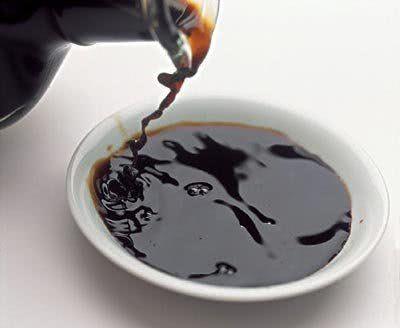
The vinegar in your kitchen at home is not just a seasoning for cooking, but also a fertilizer for potted flowers. Using a vinegar solution to water flowers and spray the leaves can promote robust plant growth, reduce diseases, and produce full and brilliant blooms. It strengthens photosynthesis; it can also increase chlorophyll content and enhance the disease resistance of flowers. Some flower lovers have taken action, pouring the "vinegar" from their homes into flower pots, "feeding" once every 10 days, and the plants keep growing and bloom even more vigorously!
How do you use vinegar to water flowers?
Of course, edible vinegar cannot be poured directly into the potting soil. It can only be used to water flowers after being diluted with water. The dilution ratio is generally 1:20, but a safer approach is to dilute edible vinegar with water at 1:50. The effect will not appear immediately after use; it takes some time to take effect. Every 10 days, you can water pothos, lucky bamboo, snake plant, kalanchoe, and Christmas cactus with it, which can make their leaves plump and green, keep them growing, and produce more flowers.
Some flowers that prefer slightly acidic conditions are grown in pots and frequently watered with tap water, so the potting soil easily becomes alkaline, which easily causes yellow leaves and makes it hard for the plants to bloom. Common flowers that prefer slightly acidic conditions include azalea, pothos, gardenia, lucky bamboo, snake plant, and other plants.
When choosing soil for flowers, you should first look at the habits of the corresponding potted flower. The acidity and alkalinity of the soil directly affect the growth and absorption of the flower's root system, and further affect the flower's metabolism and enzyme activity, so it is an important factor affecting flower growth. Excessively strong acidity or alkalinity is unfavorable to flower growth, and some may even die because they cannot adapt.
Watering pothos with "vinegar"
Pothos is a flower that relatively prefers moisture. In spring, summer, and autumn, the potting soil should be kept moist. Do not let the potting soil become too dry, otherwise the leaves will turn yellow and look poor. Do not water too much and cause waterlogging either, otherwise it will lead to root rot and withered leaves. Pothos can be watered with "vinegar." Note that it must be diluted with water; the ratio has been mentioned above. Edible vinegar has undergone sterile processing and also has an appropriate sterilizing effect, which can prevent fungal infections, make the plant grow more robust, and prevent the breeding of various pests and diseases.
The watering issue for potted pothos
After October, the amount of watering should be gradually reduced. In winter, watering should be controlled, and water only when the surface of the potting soil looks dry. If you water according to the amount used in other seasons, it will reduce the plant's cold resistance and cause pothos leaves to rot and roots to rot. In winter, you also need to spray and wash the leaves with warm water once every 3 to 5 days. This can both remove dust from the leaf surface and increase air humidity to reduce the adverse effects of the cold, dry winter climate on pothos.
This is a gathering place for flower lovers, sharing flower care tips. You are welcome to follow and exchange ideas.