Make your own nutrient soil with pine needles: airy and well-draining, for flowers with fat roots and green leaves
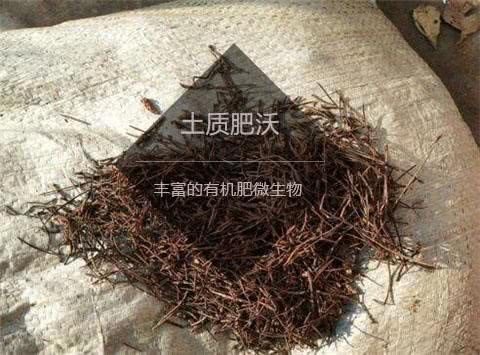
Pine needle soil is rich in organic fertilizer and microorganisms, and has the characteristics of being fertile and loose, airy and well-draining. It can promote rapid root growth and has a certain effect against pests and diseases. It is very light in weight and very suitable for use in growing flowers.
Pine needle soil fermentation:
(1). You can collect pine needles and soil outdoors. Deep-layer pine needles and soil are recommended; pull aside the pine needles on the surface.
(2). Water the collected pine needle soil thoroughly, put it in a bag, add orange peel, and spray with insecticide and fungicide. This can kill insect eggs and bacteria in the soil and prevent pests and diseases later on.
(3). After processing, seal the bag and ferment it in a high-temperature environment. In summer, ferment for 2~3 months.
(4). After fermentation, the pine needle soil needs to be screened and filtered. The large particles can be used as base fertilizer when repotting and planting, and the small particles can be used directly as nutrient soil. Well-fermented pine needles are slightly acidic.
Pine needle fermentation:
Pine needle fermentation is relatively simple. Rinse the collected pine needles clean, let them dry, then cut them to a length of less than 1cm, and then make them into pine needle enzyme. Fermented pine needles are rich in enzymes.
How to use:
It is suitable for acid-loving flowers, such as clivia (Clivia miniata), camellia (Camellia japonica), pomegranate (Punica granatum), amaryllis (Hippeastrum), rubber tree (Ficus elastica), spider plant (Chlorophytum comosum), and other plants. Pine needle soil is generally used more often when repotting, and after use it can effectively provide the corresponding nutrients.