Bury a handful of peanut shells in the pot of your clivia in autumn and winter, and it will shoot up its flower stalk fast, produce more buds and bloom into a ball
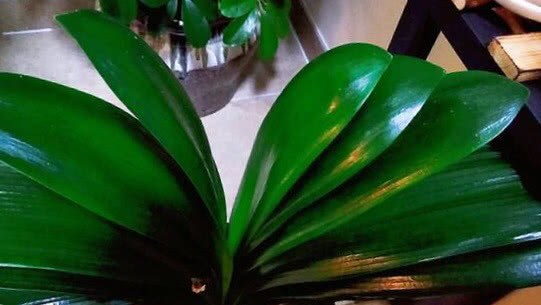
Clivia has thick, emerald-green leaves and blooms in bright, striking flowers; when it is not blooming you enjoy its foliage, and when it blooms you enjoy the flowers. Many gardening friends have grown their clivia for many years, and it still grows especially vigorously, blooming abundantly every year. If you want your clivia to bloom smoothly in winter and spring, with many flowers and vigorous growth, how should you fertilize and care for it?
When caring for clivia in autumn, repot it once, grab a handful of this "fertilizer" and toss it into the soil, and its side shoots will sprout vigorously and it will bloom by Spring Festival!
Autumn has arrived. In early autumn the weather is still fairly hot, so for the time being there is no need to fertilize yet. But by October, when the temperature is between 20 and 25 degrees, it is the most suitable time to fertilize and repot clivia. Once you see the leaves begin to grow and the weather is no longer muggy, you can start fertilizing.
Fertilizing clivia has its tricks: it should be mainly nitrogen fertilizer, so the leaves grow very quickly. After another month or so, start applying phosphorus and potassium fertilizer.
For a clivia you have grown for one or two years, it is best to repot it around October in autumn; repotting and changing the soil at this time is even more suitable than in spring. When changing the soil, you can add some peanut shells, sunflower seed shells, nut shells, fried soybeans, walnut kernels and other oily materials to the bottom of the pot as a base fertilizer. You can also add some eggshell powder and bone meal to the potting soil.
This way it is both airy and well-draining, and it can also be converted into rich soil fertilizer, smoothly encouraging it to grow flower buds in winter and around Spring Festival.
When repotting and changing the soil, cut off some of the shriveled, lifeless roots of the clivia, then leave it in a cool place to dry a little, and then plant it back into the pot; at first do not water heavily, just a little water is enough.
After fertilizing, do not put it under strong sun at first; keep it in a ventilated place with scattered light for ten days, then gradually increase its light and give it more sun.
Repot once this way and add plenty of base fertilizer; if you have fish at home, watering it with a bit of aquarium water will encourage it to bloom even more. With sufficient fertilizer, plus plenty of light in autumn and winter and a day-night temperature difference of around 10 degrees, it will not get its flower stalk stuck and will smoothly shoot up its stalk and bloom.
In autumn, appropriately place it outdoors for a period: let it receive plenty of sunlight during the day, and at night open the window and put it by the window, or in the hallway. Caring for clivia this way, many new leaves begin to grow and flower buds gradually emerge. Around Spring Festival it blooms all over its branches, especially beautiful!