A flower you can grow from a few grains of wheat - prettier than anything you can buy
?Introduction
Wheat is known as one of our staple foods; once milled into flour it can be made into bread, steamed buns, biscuits, noodles and other foods. But you may not know that wheatgrass also has many special benefits. Wheatgrass can not only absorb harmful gases from indoor air and reduce pollution in homes and offices, its tender leaves can also be juiced or dried and ground into powder. The tender leaves contain amino acids, vitamins, minerals and more that the human body needs.
It is suitable for growing at a desk, on a balcony or in a bedroom. Watching the lush green young wheatgrass every day will lift your mood too! Another important point is that it is very suitable for beginners, as it is extremely adaptable!
How to grow wheatgrass
Materials to prepare:
A container (a flower pot or a large plate will do), wheat seeds (usually sold at seed shops, or ordinary wheat from your rural hometown), soil (depending on the container), water;
Sowing temperature:15-25 degrees
Steps:
1. Choose plump, high-quality seeds, discard any mouldy or shrivelled ones, and soak the wheat in water for 3-6 hours. Once everything is ready you can sow them (just sprinkle them gently on the surface of the soil).
2. Watering: after sowing the seeds, it is best to water with a spray bottle; just keep the soil moist. Place the seedling pot in a spot with fairly strong light, good ventilation and no direct sunlight.
After 1-2 days you will see the seeds begin to sprout!
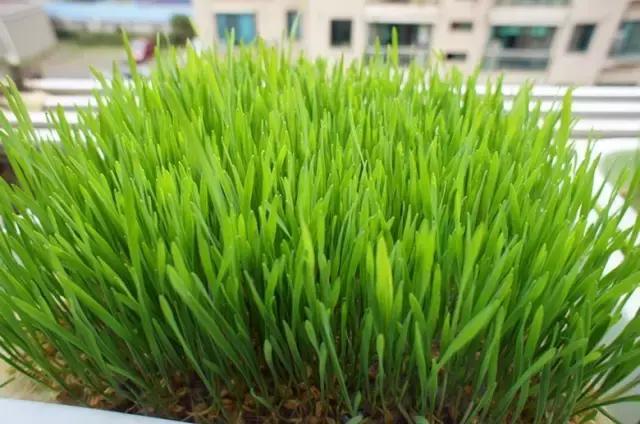
By day 4-5 it has already become a lush green "wheat field"!
Tips:
Wheatgrass has the richest enzyme content when it is 10-15 cm tall. The tender wheat leaves contain high amounts of vitamins and plant hormones, while the older leaves contain more minerals. So if you want to juice it for drinking, you can decide for yourself whether to harvest the leaves young or old!
How to make wheatgrass juice:
Wash the wheatgrass, cut it into sections, put it in a juicer and juice it. You can add water and honey, stir, and it is ready to drink.
Tips for drinking wheatgrass juice:
1. Drink it slowly in small sips, divided over several times.
2. It is best for each person to drink about 30 ml of pure wheatgrass juice per day.
3. It is better to drink wheatgrass juice before a meal or on a nearly empty stomach.
4. Because fresh wheatgrass juice is rich in many active ingredients, it oxidises easily, so it is best to finish it in one go within a short time.
5. Fresh wheatgrass juice has a slightly bitter taste; you can add a little sugar or honey, or sweet fruit juice (such as pineapple juice) is even better.
6. Fresh wheatgrass juice should not be heated, as heating weakens its nutritional benefits.
7. Wheatgrass juice is cold in nature, so people with a cold constitution or weak spleen and stomach should not drink much of it or drink it long term.
After reading this, why not hurry and plant a pot? Never mind the health benefits - just the lush green wheatgrass is already stunningly beautiful!