Tomato watering has its tricks: master the method for more fruit
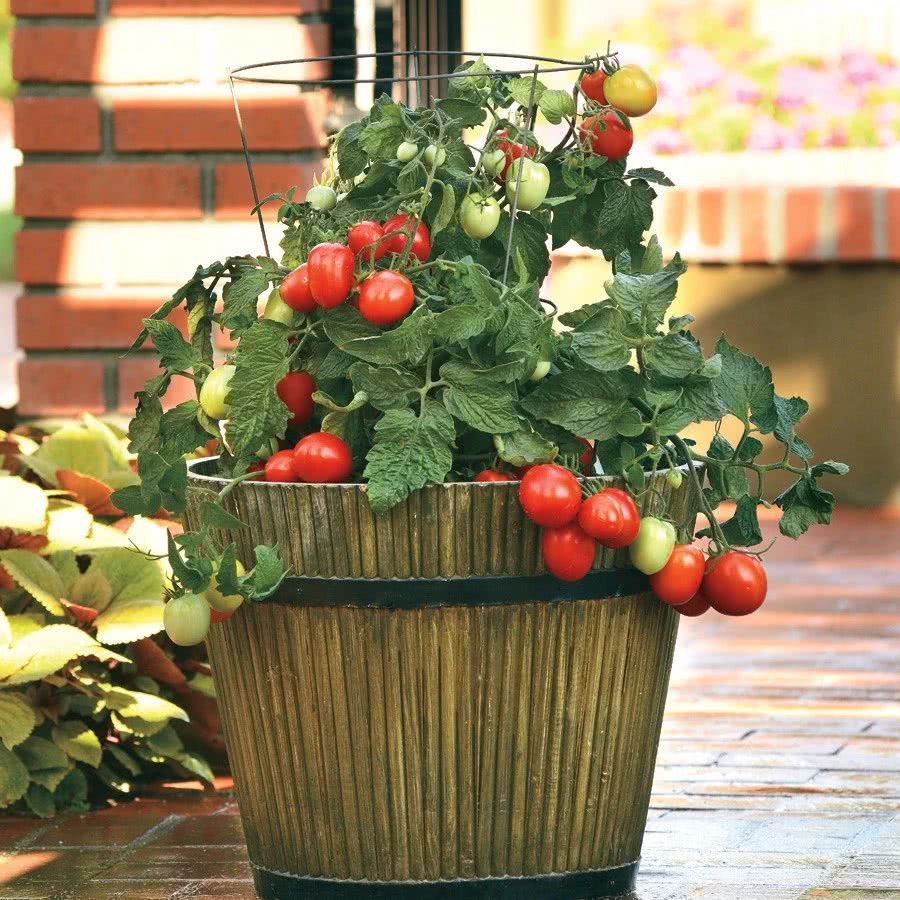
Tomato, also called tomato, is an especially popular vegetable, and watering tomato peppers also requires care, especially for potted tomatoes; if watered improperly, it can easily cause root and stem rot.
During the growth of tomatoes, note that they cannot be planted year-round, nor can they be grown just anywhere. There are many varieties, and you can choose a variety suited to your local area to ensure good growth and avoid more pests and diseases.
Growing tomatoes requires fairly abundant light, with more than 6 to 8 hours of direct sunlight daily. Avoid keeping them in shade, and keep the environment ventilated, but do not grow them in a place with excessive blazing sun, otherwise their leaves and stems can easily be scorched.
The most crucial thing is to pay attention to watering. During the growth of tomatoes, too much water makes them prone to fungal diseases, while too little water easily causes yellowing and withering.
When watering tomatoes, pay attention to timing. Do not let water accumulate on the leaves at night. If the sunlight is fairly strong, do not pour water on the leaves, otherwise the leaves can easily be burned.
When watering, do not pour water directly onto the flowers and leaves; water from the edge of the soil. Also, water slowly to let the water gradually seep into the soil. Each watering should soak through completely, not just a little.
If it is the growing season for tomatoes, with higher temperatures and fairly strong sunlight, you can water twice a day, choosing to water in the morning and evening. Keep the soil moist, but do not let the soil become waterlogged, otherwise root rot is very likely.
When watering, not only avoid the flowers, but also do not pour water onto the stems of the leaves. If you observe, you will see many fine hairs on its branches; if too much water gets on them, they can easily rot.
If the nighttime temperature is not high or the weather is not cool enough, do not choose to water at night, otherwise the humid environment and low temperature can easily cause fungal diseases.
When caring for tomatoes, you can regularly cover the base of the stems with some material, which helps retain moisture and avoid excessive heat.
Some people who regularly grow tomatoes will notice that at noon the branches and leaves droop, and at sunset they slowly recover. If they are still drooping after sunset, it indicates the ground is overly dry and it is time to water. If the next day it is still like this, it needs appropriate shading.
Potted tomatoes must have supports set up to let them climb and grow, which also maintains ventilation and light penetration, reducing the breeding of pests and diseases. In addition, it is beneficial for flowering and fruiting.
Spread mulch at the base of the tomato stems. You can choose leaves, dry grass, coconut coir, decomposed wood shavings, or pine needles. They also have some water-retention capacity, can enhance ventilation, and after decomposing become very good organic fertilizer.
If you want tomatoes to flower and fruit more, you need to regularly supplement some Epsom salt, that is, magnesium sulfate heptahydrate, but the amount must not be too much. Be sure to dilute it with water and do not pour it directly at the root and stem, which helps avoid fungal diseases and promotes normal pollination of the flowers.
During the growing period, supplement organic liquid fertilizer once every 2 to 3 weeks, which helps them grow more robustly and harvest more fruit.