This grass is the favorite of snake handlers; snakes are extremely sensitive to it, commonly known as "snake panic."
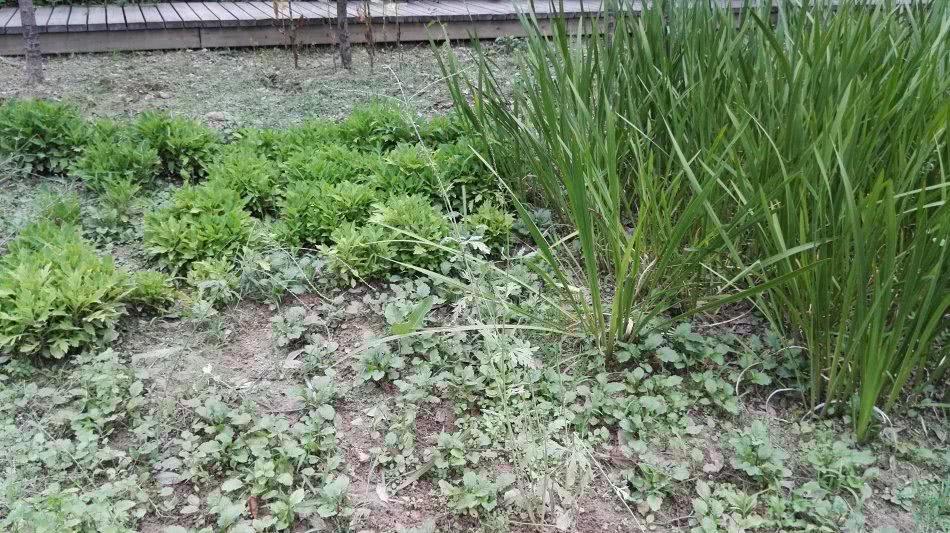
In some areas of the south, people like to eat wild game, but some of it inevitably has a certain toxicity. Even so, it still cannot resist people's temptation for wild game, but to prevent themselves from being poisoned while catching wild game, farmers would find some wild grasses that counteract it and carry them on their bodies, so they could use them for self-defense. Today I will introduce a kind of wild grass used for self-defense.
It is Cyathula prostrata, commonly known as "snake panic." In some areas of the south, many people love eating snake meat, so when they have time they go up the mountains to catch snakes, but some wild snakes are still venomous, and if you are unfortunately bitten by a venomous snake, the loss outweighs the gain. To prevent being bitten by snakes, farmers bring some Cyathula prostrata with them when going up the mountains to catch snakes, just in case. So why are snakes afraid of this wild grass, Cyathula prostrata? That is because Cyathula prostrata contains a special substance, and snakes are extremely sensitive to this substance. Usually, in places where this grass grows, snakes will not appear. In this way, when farmers carry Cyathula prostrata to catch snakes, they can avoid being bitten by snakes. You really would not expect that snakes, which everyone fears, would actually be afraid of this small wild grass.
Speaking of this wild grass, Cyathula prostrata, perhaps some people say they have never seen it. Cyathula prostrata is not like other wild grasses with a wide distribution range; Cyathula prostrata only grows in some southern mountainous areas at relatively high altitude, so many people think Cyathula prostrata is not common. In the south the climate is relatively suitable, and snakes also frequently appear. Sometimes with just a moment of carelessness, a snake may slip into the house. To prevent snakes from getting into the house, farmers also go looking for Cyathula prostrata, then hang it at the doorway, so the snakes do not dare enter the house. For the local farmers, this really solved a big trouble. Even some people who love handling snakes treat it as a commonly kept medicinal herb.
Besides being used to guard against snakes, Cyathula prostrata also has the function of detoxifying and relieving pain. In the past, when medical conditions were relatively poor, people used it to deal with minor injuries and pains, and even mild snake bites. Because people still know too little about Cyathula prostrata, and because Cyathula prostrata has great requirements for growing conditions, Cyathula prostrata has not yet been artificially cultivated. So for some southerners, Cyathula prostrata is still somewhat familiar, but for many people, Cyathula prostrata is still a relatively unfamiliar plant. However, since Cyathula prostrata has a certain medicinal value, I believe that sooner or later more people will recognize the value of Cyathula prostrata. What other effects of Cyathula prostrata do you know?