Don't turn your nose up at it just because it's dirty - it's a great fertilizer for growing flowers, makes everything thrive, and costs nothing.
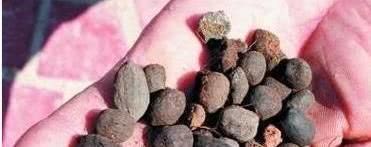
What's the best fertilizer to use in autumn? This is the question many flower lovers have been asking lately. Fertilize well in autumn, and your plants won't suffer from the cold in winter and will grow vigorously next spring! So what's best to use? Of course, organic fertilizer is the first choice - and the one with the highest nutrients that won't harm your flowers is sheep manure! If you have a source nearby, you can use local materials and spend nothing at all. If not, you can search online and buy some there too!
The advantages of sheep manure
The smell is relatively mild - what's used in flower fertilizer is generally the dried nutrients, which have almost no odor at all. Just like when we repot plants, we find some unknown little balls hidden in the soil - not ceramsite, but you can't crush them with your hands either. They're black, and they pose no harm to human health.
Extremely rich in nutrients. Sheep eat grass, so most of what comes out in their droppings is plant material, which is exactly what flowers and plants need.
It won't harm the roots. Many people worry about whether it will burn the roots. The nutrient content of sheep manure is indeed very high, but its effect is relatively mild, so there's no need to worry.
How to use it
Method one:
To get the most out of sheep manure's fertilizing power. First, spread the nutrient pellets out in the sun (the same goes for those bought online). After they've been thoroughly sterilized, put them into a mineral water bottle, add a certain amount of water, screw on the cap, and wait for them to dissolve in the water. After half a month, you can take it out, dilute it with water, and use it! You can pour it directly onto the surface of the flowerpot, but be careful not to splash it onto the leaves.
Method two:
Mix the nutrients directly into the soil, or spread them on top of the ceramsite layer. This not only helps with aeration, but also releases its fertilizing effect every time you water.