Orchid watering tips: Pour water from the edge of the pot, never into the flower buds, to avoid rot
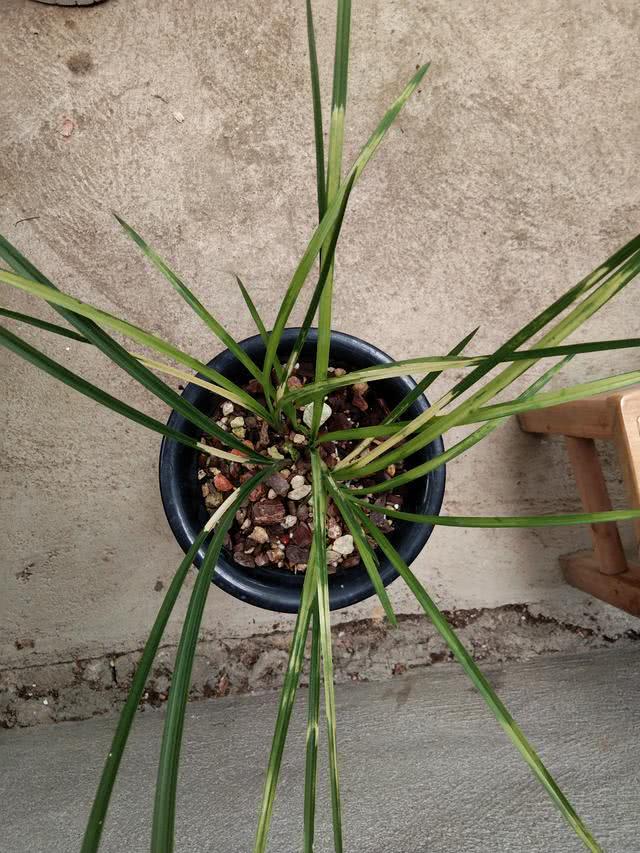
Watering time: In summer and autumn, it is best to water after sunset so that the orchid leaves dry before nightfall; watering in the early morning is also acceptable. In winter and spring, watering around sunrise is best. Never pour cold water suddenly after the plant has been scorched by the sun, as this can lower the soil temperature, affect root water uptake and disrupt physiological balance. The amount of water should not be too large, so as to help suppress the occurrence of disease.
Watering method: Water should be poured in from the edge of the pot, and must not be poured into the flower buds, to avoid causing rot.
Previous generations left excellent summarized experience on watering orchids. For example, Yu Zhao in "Dumen Yilan Ji" proposed different watering methods according to the 24 solar terms within a year, excerpted below for reference. But two points need attention: first, "Dumen Yilan Ji" uses Beijing's climate as the standard; second, the months in the text refer to the lunar calendar, not the Gregorian calendar, so "the first month" is actually February in the Gregorian calendar.
1. Beginning of Spring and Rain Water: Spring orchids have already flowered, the soil should not be too dry; moisten it slightly along the edge of the pot. If the pot of autumn orchids has not dried down to the bottom, do not water.
2. Awakening of Insects: When the pot of spring orchids is half dry (dry on top, solid below), you may moisten with water, but not too much; autumn orchids are the same as above.
3. Spring Equinox: Spring orchids have finished flowering and should avoid dampness; when the pot is half dry, you may moisten with water.
4. Pure Brightness and Grain Rain: Do not let the potting soil become too dry; moisten with water every 5 days.
5. Beginning of Summer: The orchids begin to be brought out of the room, and should be given one thorough watering.
6. Grain Full: The potting soil should not be too dry or too wet. Spots appearing on the leaves mean it is too wet; withered tips on new shoots mean it is too dry. Water 1 sheng every 4 days (about a dried teacup), so that the lower 2/3 of the potting soil is moistened.
7. Grain in Ear: The climate is dry, so take even more care to avoid both excessive dryness and excessive wetness.
8. Summer Solstice: The potting soil must not be too dry. If heavy rain occurs, it can only be tolerated for one day; if there are successive days of overcast rain, the pot needs to be moved to a ventilated place.
9. Minor Heat: At this time the air is too humid, so the potting soil must not be too wet. The pot should be placed in a ventilated place. If it is hot and dry with little rain, water 1 sheng every 2 days. After heavy rain or one heavy wetting, you must wait until 2/3 of the potting soil is dry, otherwise it should not be watered again.
10. Major Heat: The potting soil easily dries all the way through. Note that only one heavy rain or one heavy wetting per day is appropriate.
11. Beginning of Autumn: Orchids need water at this time; water 2 sheng every 3 days, and they should also be sheltered from wind.
12. End of Heat: Water once every 5 days. Except during successive days of hazy rain, they may be left exposed to rain and dew.
13. White Dew: Autumn orchids need frequent watering even more than spring orchids, but after being wet they must dry out greatly before they can be wet again.
14. Autumn Equinox: If autumn orchids have already produced flower spikes, water slightly less; if they have not produced flower spikes, water slightly more.
15. Cold Dew: Autumn orchids should be given a thorough watering, while spring orchids should not be watered thoroughly but kept moist.
16. Frost's Descent: Orchids should be brought indoors, and the watering time changed to midday; after watering, they need to be placed in the midday sun for 1-2 hours.
17. Beginning of Winter: Only moistening with water is appropriate, about half a sheng every 5 days.
18. Minor Snow: The flower room should avoid warmth and should not be too wet. If it is too damp, it can cause root rot and spotted leaves, even withering. If the pot has not dried down to the bottom, only slightly moisten the surface of the soil.
19. Major Snow: Autumn orchids do not need water; spring orchids should be kept slightly moist.
20. Winter Solstice: Neither should be irrigated.
21. Minor Cold: Watering is taboo for both.
22. Major Cold: Autumn orchids still do not need water; spring orchids may be slightly moistened with water.
This article comes from an original submission by Yumi Shanshui. For reprinting, please contact the Yumi Shanshui official account!