Neighbor Sister Zhang isn't good at growing flowers, but she grows vegetables on her balcony, just watering them, and harvests a crop every 10 days
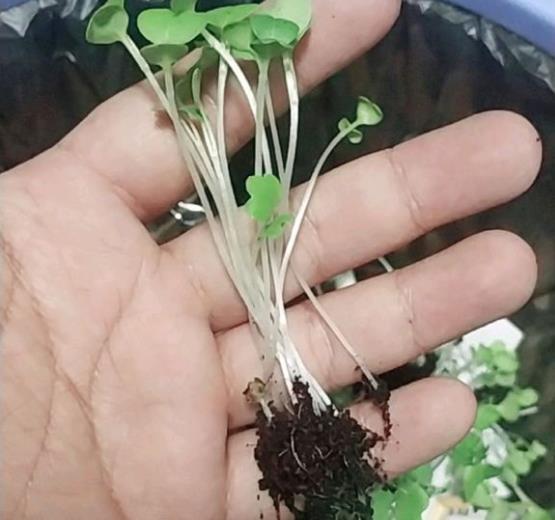
Many people are starting to think about growing their own vegetables. Those with land certainly have it easy, but you can actually grow vegetables on a balcony too. Last time I visited my neighbor's place, Sister Zhang was growing lots of vegetables on her balcony, and it looked really nice. Not all balconies are suitable for growing vegetables. If you ignore the actual conditions and plant carelessly, you may end up with more loss than gain. Let's take a look below.
Neighbor Sister Zhang isn't good at growing flowers, but she "grows vegetables" on her balcony, just watering them, and harvests a crop every 10 days!
Sister Zhang grows green leafy vegetables on her balcony, and all she needs is a small plastic basin. If the vegetables need transplanting, wait until after transplanting before watering them with nutrient solution. If the vegetables are sown directly and don't need transplanting, then water with tap water first to keep the soil moist, and only use nutrient solution after the seeds sprout and the seedlings emerge. Although different plants have different water requirements, watering with nutrient solution once a day is generally appropriate. For leafy vegetables, you can water with nutrient solution twice a day.
Growing vegetables on a balcony is about a healthy lifestyle, and it also sparks people's interest. If you stare at a computer or TV all day, why not try growing vegetables on your balcony? Common small vegetables include sprouting seeds, peas, baby bok choy, small Chinese chives, spinach, and so on, all of which are great vegetables suited to container growing.
Vegetable seeds for planting
You can buy vegetable seeds at flower shops on the street. There are many varieties, and the prices aren't expensive either. The key thing is that growing vegetables is much easier than growing flowers: sow the seeds and they sprout, water them and they grow. Some vegetables don't require buying seeds. Take the dried chili peppers you eat at home, break them open and scatter them into a flower pot; in summer you can pick green hot peppers, and in autumn you harvest red chili peppers. When eating winter melon or pumpkin, save the seeds, plant them in a large flower pot in spring, and by autumn they'll bring you a surprise.
Vegetables suitable for indoor growing
Winter is cold outdoors, so you can grow vegetables indoors. Short-growing-season crops like sprouting seeds, bok choy, spinach, garland chrysanthemum stems, Andrographis paniculata, and cilantro are all suitable for indoor growing. About watering container vegetables: the water used for washing vegetables, rice, and fruit at home can all be used to water flowers and vegetables, making good use of waste and achieving two things at once. If gardening friends have extra flower pots and space at home, you can plant a few pots of vegetables, and a balcony works too. They multiply quickly, and for green leafy vegetables, you can harvest a crop in just 10 days!
For soil cultivation, you can use traditional fertilizers or nutrient solution. If using traditional fertilizers, it's best to choose organic fertilizers, including plant-based fertilizers and animal manure, and avoid chemical fertilizers as much as possible, because chemical fertilizers leave behind acid or salt residues, and the potting soil will become acidic or alkaline, hindering plant growth. There are various specialized organic fertilizers on the agricultural market, and you can choose a suitable organic fertilizer according to the type of vegetable.
This is a gathering place for flower lovers, sharing flower and container plant care tips. You're welcome to follow and join the conversation.