Grow potted cacti this way and they will grow big and plump and even bloom
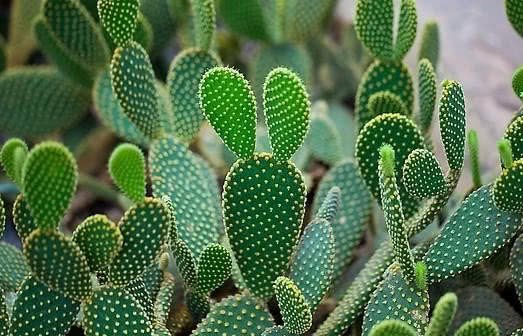
In your leisure time, tending flowers and plants is a pleasure that purifies the air and cultivates the character. As a household potted plant, the cactus is easy to grow and care for, evergreen through all four seasons, always full of life whether under the scorching summer sun or in ice and snow.
The potted cactus, also known as xianmazhang, guanyinzhang or huozhanglan, is a plant of the cactus family (Cactaceae) and tolerates hot, arid and barren environments. Although it has tenacious vitality, it is in fact like any other potted flower and also needs to take up the fertilizer and water it requires for growth from the soil.
The potted cactus has a strong adaptability to potting soil, and it grows very well in ordinary garden soil mixed with some sandy loam. If conditions allow, you can use: 1 part akadama soil, 1 part vermiculite, 1 part coarse sand. The soil should be disinfected in advance; the most primitive high-temperature boiling method can be used for disinfection, which basically kills harmful pathogens and insect eggs.
For potted cacti, frequent watering is a fatal mistake, and the result is either rotted roots or a shriveled ball. The main cause is watering too much. Cacti are desert plants and tolerate drought, so do not water too frequently in daily care; water only when the soil is dry and let it dry out between waterings. In winter the plant begins to go dormant, so watering should stop and the potting soil should be kept slightly dry.
When watering, also take care never to wet the plant itself; just water the roots. Also, do not water in the early stage of flower bud formation; water only once the buds have grown to 1 cm. If you water before the buds have fully developed and taken shape, the plant will grow offsets, and the small buds that have already appeared will wither along with them. If you want your cactus to bloom, you must control the amount of water well.
For household potted cacti, repotting is generally needed every two to three years. This is because its root system grows fairly quickly, especially after grafting, and within two to three years it will fill the pot. The nutrients in the potting soil will gradually be exhausted, and its water-retention and drainage properties will change, so new growing medium and fertilizer need to be replaced to keep the plant growing healthily.