Don't water your plants carelessly in winter; these 3 kinds of water will kill a pot with every pour
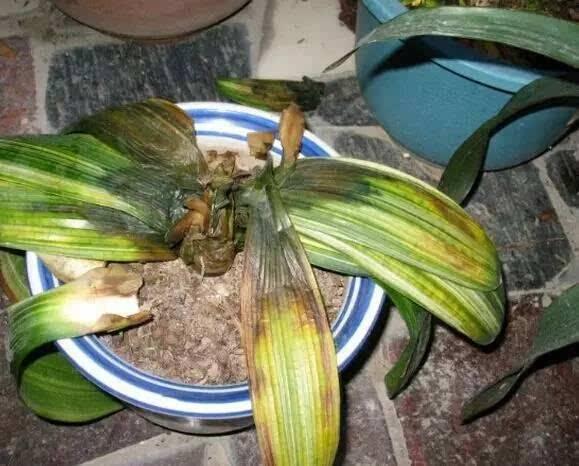
The weather is getting colder and colder, and winter will soon arrive. At this time, growing flowers is a tough job. Why do I say that? Because winter temperatures are too low, and most flowers and plants have an optimum growth temperature of around 15-25°C. Once the temperature drops below 10°C, the growth of the flowers will be hindered, so some flowers are in a dormant period in winter. At this time, if you are not careful when growing flowers, it is very easy to cause the flowers to wither and die, making it hard for them to get through the winter. Among all the details and knowledge of growing flowers, the main points are watering, fertilizing, light, soil and ventilation. Among them, the most important and most error-prone one is "watering flowers."
When growing flowers in winter, these "3 kinds" of water must not be used; every pot you pour them on will wither, so don't water wrongly
In the knowledge of watering flowers, especially in winter, the 3 kinds of water to be mentioned next must not be used.The first kind of water is "cold water". Why do I say that? Because in winter the temperature is low, and the water coming out of the tap is generally ice-cold. At this time, if it is poured into the flower pot, you can imagine that the soil temperature will instantly drop. In this way, the temperature difference in the potting soil increases, and the root system of the potted flowers cannot withstand it. It can easily cause the root cells to rupture, and then lead to root rot, yellow leaves and withering.
The second kind of water that must not be used on flowers: flood irrigation water
What is flood irrigation water? Simply put, when you water the flowers, you pour too much water, so that water accumulates seriously in the pot and cannot drain out. This situation is quite common. In summer it is a bit better; after all, the temperature is high, water evaporates quickly, and it will not have much effect on the flowers. But winter is different. If you water too much in winter, the water in the pot cannot drain out, and it cannot evaporate either. The consequence is that the flower pot lacks oxygen due to water accumulation, the root respiration of the plant is blocked, and naturally the root system rots. At the fastest, the flowers will begin to have yellow leaves and wither the next day. So watering must be done in the right amount.
The third kind of water that must not be used on flowers: untreated domestic wastewater
The domestic wastewater mentioned here includes: rice washing water, expired milk, leftover soy milk, vegetable washing water, and so on. When growing flowers, many people choose to use the above domestic wastewater to water flowers, because this can save water resources, and they think it is good for the flowers. Indeed, these domestic wastewaters are all beneficial to the healthy growth of flowers. For example, rice washing water retains potassium, expired milk contains calcium, soy milk contains nitrogen, and so on. Although using them to grow and water flowers is very good and practical, there is also a trick to it. Only wastewater that has undergone "fermentation treatment" can be used to water flowers; otherwise, it can easily burn the flowers to death. Fermentation treatment is very simple: find a sealed jar or other container, put the wastewater in it, and leave it for half a month.
The above is what I have shared about some matters needing attention when growing and watering flowers in winter. In the future process of growing flowers, flower lovers must keep this firmly in mind. After all, only by being attentive and careful can potted flowers get through the winter well. In addition, if you have any difficult problems with growing flowers, you can leave a message below, and I will answer them one by one! Thank you for reading!
Remember to like and share~