When growing flowers, put this thing from your hometown at the bottom of the pot, and there will be no root rot and it will burst out of the pot every year
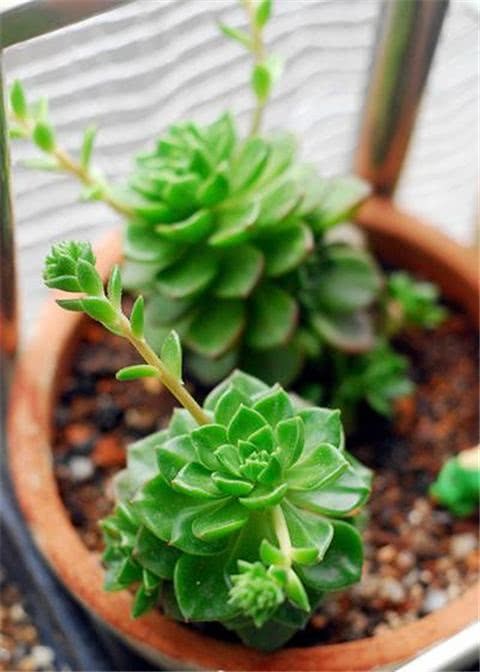
The thing most feared when growing flowers is root rot. Basically, once root rot happens, it is very troublesome, and if it is not handled well, the flower is gone. The thing introduced below is still used in my hometown. Put it at the bottom of the pot, and the flowers will not rot when grown. Let's take a look!
What we are talking about is coal cinder. Coal cinder is quite good in looseness, air permeability, and drainage, and it also contains phosphorus and potassium elements, which can supplement nutrients for flowers. It is very useful for growing flowers. After high-temperature burning, it has no pathogens or insect eggs, so it can be used as granular soil. Suitable flowers include sago palm (Cycas revoluta) and bird of paradise (Strelitzia reginae), and the effect is especially good for succulents.
The collected coal cinder needs to be treated first. Note that it is burned honeycomb coal. First soak it in water for a few days. This is to remove its alkalinity, making it suitable for various flowers, and avoiding harm to growth for some flowers that prefer acidic conditions.
Dry the soaked coal cinder in the sun. It contains dust, and dust can cause soil compaction, so the dust should be sifted out. Sift the particles, put the larger coal cinder blocks left after filtering at the bottom of the flower pot to increase the air permeability and drainage of the soil. The small coal cinder blocks are used to press the roots.
It can be used as a cutting medium and is not prone to water accumulation. Put the coal cinder into a flower pot and water it to moisten it. Insert the prepared cuttings into the coal cinder. Keep it moist with daily watering, and in summer it can take root in about 1 week.