3 flowers that absorb formaldehyde are called indoor guardian deities; no matter how ugly, you still have to grow them
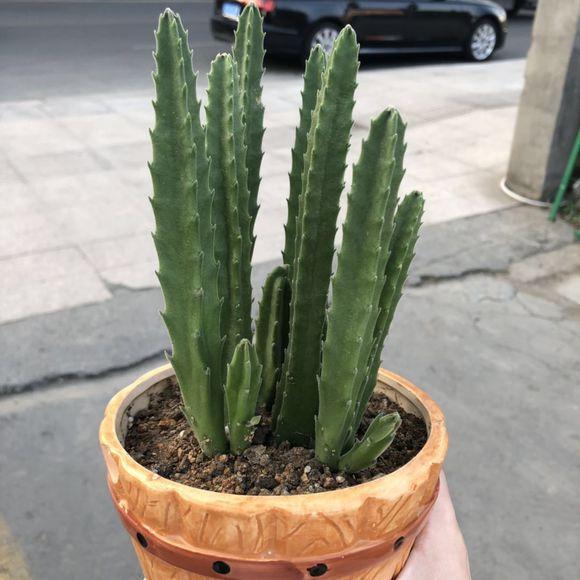
A friend asked me what the joy of growing flowers is. When you water the flowers, when you see them slowly grow under your careful cultivation, believe me, you will smile. That is the joy of growing flowers. Growing flowers brings both joy and worry, and the philosophy of life: without labor there is no harvest, and a happy life must be created by your own labor. Some flowers and plants look very ordinary, but they can directly improve the air environment at home. The following 3 kinds of flowers are called the "guardian deities" of the home. No matter how ugly, you still have to grow them. No need to water, and they are beautiful year after year!
Cactus
To improve the living environment of the room, many people include creating a green oxygen bar in their life plans. But how to choose green plants does indeed require some care. Ball cacti mostly breathe at night when it is cooler and more humid. Placing a ball cactus indoors, especially a hydroponic ball cactus (because hydroponic ball cacti are cleaner and more environmentally friendly), can help purify the environment. Therefore, ball cacti can also carry out photosynthesis at night. Growing ball cacti indoors is no different from adding an air freshener, so it is also an ideal flower for placing indoors at night.
Care of potted cacti: Ball cacti are suitable for growing in well-drained sandy loam soil. For indoor cultivation, artificial culture soil is mostly used, usually prepared by mixing half peat soil and half fine sand; culture soil made by mixing crushed pine needles with fine sand can also be used for planting. Watering: Ball cacti require a dry environment and are afraid of water accumulation in the potting soil. Generally, keep the potting soil "dry when it should be dry, wet when it should be wet." It is best to use water that has been left to stand for watering.
Maidenhair fern
Maidenhair fern can absorb about 20 micrograms of formaldehyde per hour, so some people compare maidenhair fern to the most effective biological "purifier." Its own powerful air purification effect plays an important role in improving the home environment. Therefore, people who deal with paint and coatings all day, or who have people around them who like to smoke, should place at least one pot of fern plants in the workplace.
Care of potted maidenhair fern: Potted plants can often be placed flat indoors in areas with scattered light, and then they will grow well. The potting soil is best as culture soil prepared by mixing half mountain forest soil and half fertile garden soil. During the growing season, watering should be sufficient, and a thin fertilizer should be applied once about every 2 weeks to promote lush growth. Maidenhair fern likes warm, shady and humid environments, is not cold-tolerant, and is not drought-tolerant. Overall, it prefers acidic soil.
Dragon bone flower
Dragon bone flower belongs to the Cactaceae family and is known as an "air filter" because it can absorb large amounts of toxic and harmful gases produced by decoration, such as formaldehyde and ether, as well as radiation produced by computers. Therefore, growing this flower indoors is not only non-toxic, but can also help purify the air. Dragon bone flower grows robustly and can reach 2 m to 3 m in height. The plant is shrub-like, with many dense branches and tender fleshy stems.
Care of potted dragon bone flower: Its water requirements are relatively strict. If the potting soil remains moist for a long time, root rot will occur. After winter arrives, dragon bone flower generally enters a dormant state and stops growing. During this period, even watering once every 1-2 months does not matter.
This is a gathering place for flower lovers, sharing flower and potted plant care tips. Welcome to follow and exchange ideas.