Southern winters are cold and damp, so hurry and plant these 5 dehumidifying plants
If you think that once autumn and winter arrive, the air will turn cold and dry, then you are badly mistaken, because in the more southern regions the winter humidity can also be very high, and the environment will be extremely damp. If you have experienced a southern winter, then you will definitely want to buy some dehumidifiers.
Most potted plants have a certain humidifying effect and can help control humidity, but some plants really can remove the cold, damp air, prevent the environment from becoming overly humid, and absorb moisture from the air.
Many people will wonder: how do plants lower the air humidity in the home? The answer lies in the leaves of the plants. Some plants absorb dew, fog and other moisture through the stomata of their leaves, and in the end this moisture seeps into the branches and roots, promoting plant growth.
These plants all have a certain drought tolerance. In places with little rainfall, these plants have evolved very special ways to absorb moisture from the air as a supplement, thereby promoting their own growth. If you want to grow some plants that can reduce the moisture in your home, the following plants are worth considering, and this way you can also reduce the growth of mold.
If you live in a relatively humid place in the south, you should not grow too many plants at home, otherwise it will create a rainforest effect, producing very high air humidity, which easily breeds mold, and there will be a lot of moisture on the walls.
1. Peace lily
The peace lily is a very suitable potted plant for growing indoors. It has a certain drought tolerance and does not need much light; with appropriate scattered light it can produce pure white, beautiful flowers.
The peace lily helps reduce moisture in the air and can also absorb some harmful gases that are irritating to sensitive people, which can ease respiratory problems.
2. Ivy
Growing a pot of ivy indoors is also a good choice. They like cool, semi-shaded environments and do not like harsh sun or long periods of direct sunlight. The growing environment should be ventilated and let light through, and frequent watering should be avoided. It can also reduce moisture in the air.
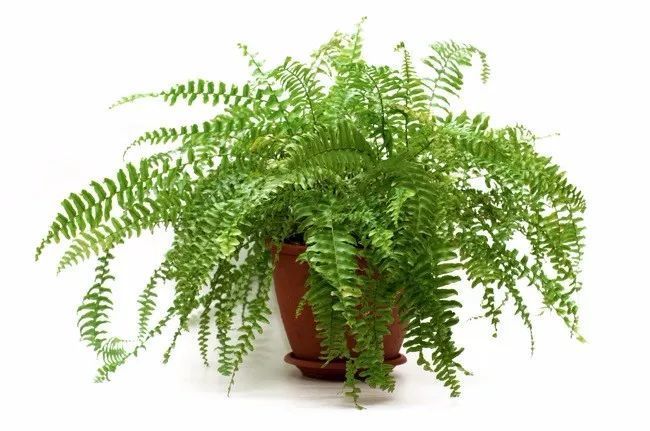
3. Boston fern
The Boston fern is the most common ornamental fern. It likes to grow in shady environments, and the growing environment should stay warm and humid year-round, with the minimum growing temperature kept above 7°C. During growth, the Boston fern absorbs moisture from the air, helping reduce air humidity and preventing mold.
4. Pink quill
Pink quill, also called the purple bromeliad, is an especially easy plant to care for. It likes warm, humid environments year-round, and the minimum growing temperature should be kept above 8°C. It is afraid of the cold and can be grown in a bright spot. It has a certain drought tolerance and can lower air humidity. It does not need frequent watering and can absorb moisture.
5. Air plant
The plants above can tolerate appropriately dry environments and can absorb moisture from the air, thereby lowering air humidity. If you do not like plants grown in soil, you can also place some air plants around. In a relatively humid environment, they basically need hardly any watering to survive; they absorb moisture from the air to live.