Don't fertilize plants carelessly - 80% of flowers are killed by fertilizer burn
When it comes to growing flowers, many people are quite experienced and can speak knowledgably about watering, fertilizing, lighting and placement. Today let's talk about fertilizer. Plant growth must rely on a continuous supply of fertilizer so that plants get the necessary nutrients to grow. At present, the fertilizers sold on the market can basically be divided into two types: organic fertilizer and inorganic fertilizer. So how should these two kinds of fertilizer be used? Do you have a clear idea? Surely some people say adding inorganic fertilizer is better because it makes flowers grow fast. Others will say adding organic fertilizer is better because it is good for plants. So you need to know these key points: organic fertilizer cannot be absorbed by plants. You often see many people adding organic fertilizer to plants so that the microorganisms in the potting soil break down the organic fertilizer themselves into inorganic substances, and only then can it provide the necessary nutrients to plants. Based on this, when you usually buy fertilizer on the market, the shopkeeper will ask whether you want quick-acting fertilizer or slow-release fertilizer. When mixing soil for growing flowers, we all add organic fertilizer to the soil as a base fertilizer. It increases soil microorganisms and boosts vitality, and can also effectively help plants improve their resistance to pests and diseases.
Here are a few points to sum up about fertilizing:
1. Timing
Online and in books there is a lot said about the timing of fertilizing, but after all, the specific situation is still different from what is in the books. Still, after summing it up, I feel it is necessary to mention it. For example, when we newly transplant tree stumps, repot, pot up, or change soil, at these times the root system of the original plant is basically damaged, so fertilizing at this time will only add burden to the plant's root system. When plants enter winter, or during the high-temperature period in summer, or during continuous rain, do not fertilize, because at these times it is easiest to cause damage to the plant's root system. So during the period of most vigorous plant growth, in spring, you must give enough fertilizer. For flowering and fruiting plants, before they bloom and bear fruit, add enough fertilizer to ensure the plant blooms and fruits. Even if all the external conditions are met, you still have to see whether the condition of the potting soil allows it. For instance, if the potting soil is dry and hard, fertilizing at this time means the fertilizer cannot get into the middle of the soil to provide enough nutrients to the plant. At this time you should first loosen the potting soil, then fertilize, and the effect is best then. When I first started growing flowers, I did not pay attention to the condition of the potting soil and just fertilized the flowers. The problem that finally appeared was that, although I often fertilized the plants, over time a large amount of nutrients accumulated at the outer edge of the potting soil, while the center of the potting soil still did not have enough fertilizer.
2. Amount
The basic principle for the amount is small amounts, many times; generally it is impossible to be that precise. A fertilizer-to-water ratio of 7:3 is fine. For organic fertilizers like oil residue and soybean cake, just break them up and throw them on top of the potting soil, and let the microorganisms in the potting soil naturally decompose these organic fertilizers. Actually, fertilizing is mainly based on the plant's growth condition. Generally, when potting up or changing soil and doing such work, we all add some base fertilizer to the potting soil, and this base fertilizer can provide sufficient nutrients for the plant's growth. However, when topdressing, just keep the amount under control, especially when the plant shows poor growth due to a lack of fertilizer supply - even then you cannot fertilize heavily.
3. Type
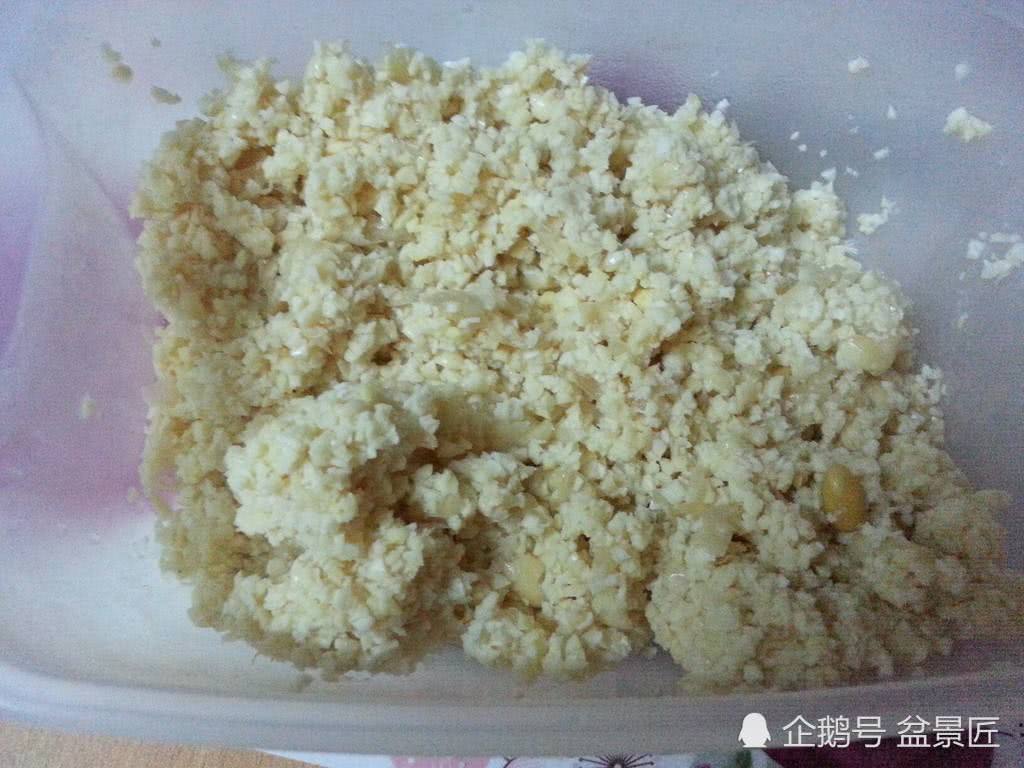
Nitrogen, phosphorus and potassium are the most common fertilizers. For example, nitrogen fertilizer can promote the growth and development of the plant's stems and leaves; phosphorus fertilizer can make the plant's flowers brightly colored and the fruit plump; potassium fertilizer can make the plant's root system grow quickly and make the plant look energetic and upright. So for the organic fertilizers corresponding to these fertilizers: for nitrogen fertilizer there are soybean cake, urine and manure; for phosphorus fertilizer there are crushed chicken bones, pig bones and other animal bones; for potassium fertilizer there is plant ash from burning straw. Add the corresponding fertilizer according to the type of plant you are growing. However, I want to say that when adding these organic fertilizers, except for things like plant ash, soybean cake and oil residue that can be added directly to plants, the rest should first be composted and decomposed before being added. When adding these organic fertilizers, it is best to add a layer to the flowerpot and then cover it with soil.
If you have any good methods for growing flowers and fertilizing, you are welcome to bring them up so we can exchange ideas and learn together.