In these 3 situations, turning the pot of an orchid is harmful and pointless, and beginners must keep this in mind
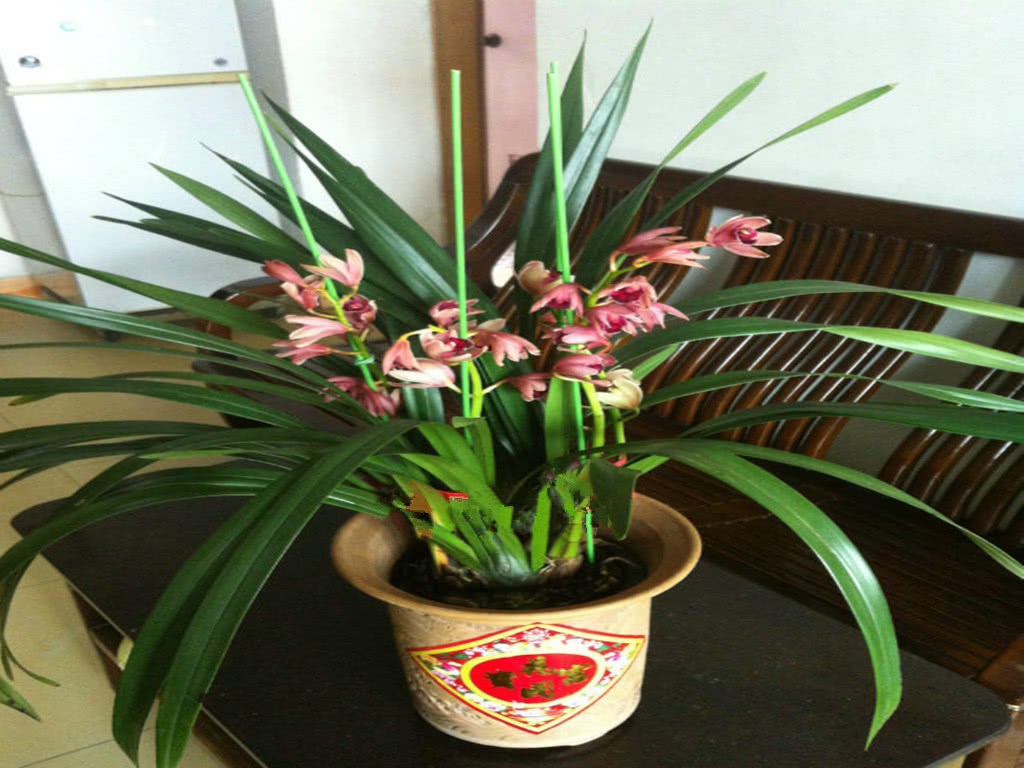
When growing orchids, watch out for bad habits. In these 3 situations, turning the pot is harmful and pointless, and beginners must keep this in mind.
Friends who love caring for orchids all have this kind of personal experience: they always want to give their orchids something better. Whether it is in mixing the orchid's growing medium or in the orchid's fertilizing and management, they try to use the best, and this is their own orchid-loving complex.
As a flower with relatively high ornamental value, the orchid has an elegant color that brings people a feeling of quiet seclusion, a feeling of fresh naturalness. However, caring for orchids is a rather trivial matter that requires management and care year after year, and sometimes one careless action can cause the orchid to grow poorly, bloom without vivid color, and so on, which requires us orchid growers to pay attention.
For example, with an action like turning an orchid's pot, one careless move can harm the orchid we are caring for. Of course, it is fine to turn the flower pot of a healthy orchid, as long as you do not turn it frequently. This is good for the orchid's growth, allowing every part of the orchid to fully and evenly receive light and effectively carry out photosynthesis, thereby promoting the orchid's growth. But in these 3 situations, the pot must not be turned.
First, an orchid that has just been repotted must not be turned. Such an orchid flower should first be placed in a fairly well-ventilated place for ventilation, and should be placed in a brightly lit place for pot adjustment, so that the orchid slowly adapts to the new environment and effectively gets through the pot-adjustment period. At this time, do not move the flower pot, and do not turn the flower pot; just keep the potting soil moist. Otherwise, it will prolong the pot-adjustment period and damage the orchid's root system. It may even cause the pot adjustment to fail and the orchid to die.
Second, when the orchid is growing unhealthily and has pests or diseases, do not repot or turn the pot. This is because at this time the orchid's resistance is relatively weak, and each turn requires it to adapt to a new environment, thus requiring it to adjust the various operating modes of its organism. At this time, it is very likely to worsen the orchid's pests and diseases, affect the treatment effect on the orchid, and in serious cases cause the orchid to die. Therefore, an unhealthy orchid should be placed in a place with diffused light and good ventilation, so that it can receive sufficient light and carry out photosynthesis.
Third, after an orchid has produced flower buds, do not turn the flower pot. This is because turning the flower pot requires adapting to a new environment, and during this period the orchid's growth may be affected. Especially for an orchid in full bloom, turning the flower pot will cause the orchid's flowering period to become shorter or the flowers to wither prematurely.
In these 3 situations, do not casually turn the flower pot, and the orchid will grow better and better. Do not harm the orchid because of your own habits or because you care too much about the orchid and think too much. If you have such bad habits, correct them as early as possible and give the orchid a comfortable environment.