Clivia: no need to buy, sow a small amount, many sprout, thick leaves, many blooms
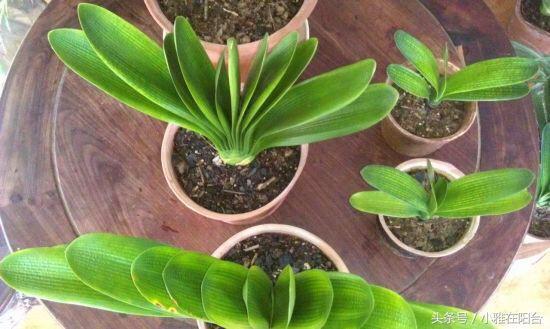
Clivia is also called sword-leaf lycoris or large-leaf lycoris, and belongs to the perennial herbaceous plants. Its flowers are orange-red, brightly colored, and the flowering period can last more than a month. Many flower lovers like to keep a pot at home for viewing. Its lifespan is relatively long, and it can be grown for over ten years or even one or two decades. How does clivia propagate? How should clivia be grown so that its leaves are thick and it has many flowers?
Clivia: no need to buy, sow a few seeds and they sprout, quickly popping up many plants, with thick leaves and many blooms!
As everyone knows, there are two propagation methods: one is seed propagation, and the other is division propagation.
For sowing, although it takes a bit longer, many flower lovers have succeeded in sowing them. If your own clivia blooms, you can hand-pollinate it yourself to let it produce seeds. When the seeds mature and turn red, you can pick the seeds, soak them in clean water for a few hours before sowing, and then sow them.
Generally, clivia can be sown except in summer. The seedling substrate is quite key; you can use fine sand, wood shavings, or leaf mold, etc. Water the medium thoroughly and keep a certain humidity. After sowing, do not cover with too much soil, and do not expose it to too much light. Small seedlings will gradually emerge.
When the seedlings grow until the root system is full and the leaves are relatively large, they can be divided into pots.
Division propagation is somewhat simpler. When clivia has grown into many plants, that is, when it has formed a clump, dig the mother plant out of the flower pot and separate the mother plant and the offset plants.
If you cannot pull them apart by hand, use a small knife. Apply a little charcoal powder or carbendazim to the wound to prevent root rot. After the wound dries, they can be planted separately. Generally, they bloom one to two years after planting.
When growing clivia normally, do not place it in a position with too strong light, because it likes a semi-shaded environment. In summer it likes cool temperatures, and during high temperatures it must be placed in a ventilated and shady place.
If the winter temperature is too low, it must be placed in a warm and sunny place. Use fertile leaf mold or pine needle soil with good drainage and aeration for the soil, so it can grow thick, emerald-green leaves and bloom like a flower ball, bright and beautiful.