6 kinds of flowers to keep at home for fresh, moist air in winter without buying a humidifier
Keep these "6 kinds" of flowers at home, and you won't need to spend money on a "humidifier" in winter, the air will be fresh and moist
As people's living standards improve and get better, more and more people not only pay attention to the quality of life, but also to healthy living. In daily life, growing all kinds of flowers and plants at home can purify the air, green the environment, improve the air quality at home, and bring great benefits to the family's health.
Plants like spider plant and pothos are very common household flowers; placed at home, they can generally absorb harmful substances such as formaldehyde and toluene. Today I'll share 6 kinds of plants with you. Keep them at home now, and you won't need to buy a humidifier in winter, because they can purify the air and have very strong transpiration, increasing air humidity and making the air at home fresh and moist in winter.
1. Clivia
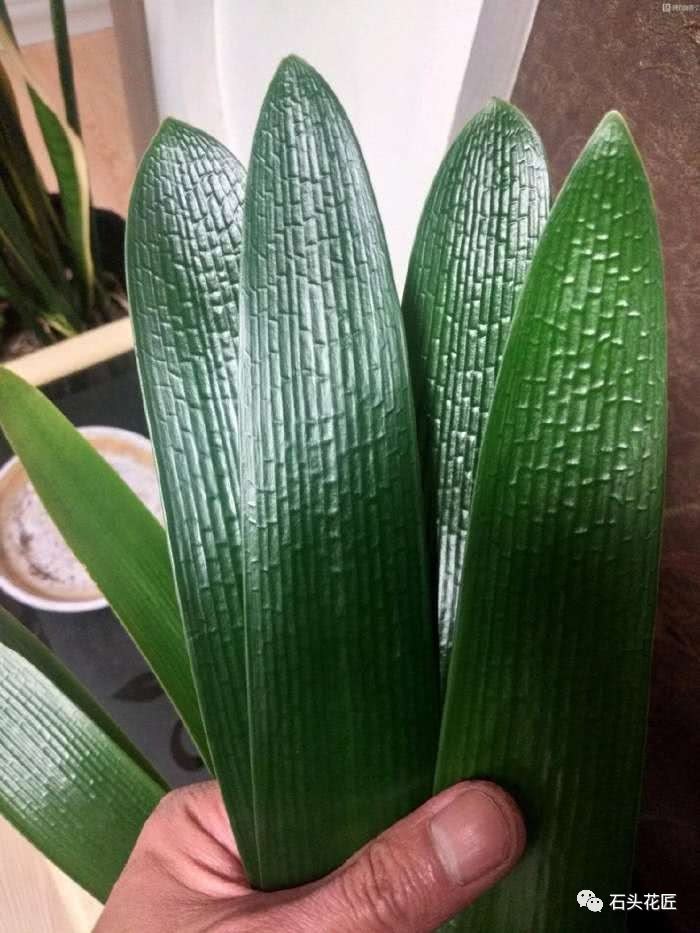
Clivia is a very popular flower. Many flower lovers like clivia because it not only has emerald green leaves but also blooms beautiful flowers. Especially in winter, clivia flowers are very bright and beautiful. A healthy clivia has very strong leaf transpiration. Keeping it at home in winter can not only purify the air but also increase the air humidity.
Winter care method
Clivia usually blooms in winter, so in winter it should be placed on a warm balcony with good light, so the plant can not only photosynthesize quickly but also bloom beautifully. During winter care, watering should be controlled, watering once every 1-2 weeks. You can spray the clivia leaves every 2-3 days, and then spray the leaves once every two weeks with a 0.2% potassium dihydrogen phosphate aqueous solution to supplement fertilizer for plant growth.
2. Areca palm
The areca palm is called the most natural humidifier, because its leaves have very strong transpiration. At home, as long as the plant can grow healthily, it can carry out rapid photosynthesis and transpiration, making the room moist and fresh.
Winter care method
The areca palm likes scattered light and is afraid of cold, so in winter it should be placed in a living room with scattered light, at a temperature of 15-20°C, and the plant can grow normally. Before each watering, check the dryness and moisture of the soil, and only water the pot after the soil is completely dry. Do not let water accumulate in the pot. When the potted plant is placed in the living room, rotate it 90 degrees every two weeks, so the plant can grow evenly.
3. Alocasia
Flower lovers who have grown alocasia know that the leaves of alocasia have very strong transpiration. Every early morning, water droplets fall from its leaf tips. This has a lot to do with the leaf stomata and cells of the plant. So keeping alocasia at home can both remove dust and increase air humidity, especially in winter. If the room is dry, you can keep a pot of alocasia.
Winter care method
Alocasia is afraid of cold. When the temperature is below 5°C, frost damage will occur. So when growing alocasia in the north, in winter it should be placed in a warm living room or balcony with good light. When growing alocasia in winter, water the pot once every two weeks. After the alocasia grows normally, the leaves can not only release oxygen to purify the air but also make the home moist.
4. Lucky bamboo
Lucky bamboo is a very popular household flower. It is generally grown in water and placed in the living room or at the entrance, with the beautiful meaning of good fortune and wealth. In fact, a healthy potted lucky bamboo not only has a good meaning but also has a strong ability to purify the air in the environment, and in winter it can also increase the humidity in the room.
Winter care method
When caring for lucky bamboo in winter, be sure to avoid yellow leaves on the plant. It needs to be placed in a living room with good light, with ventilation, and then the water should be changed once a week. If the roots are found to have turned black, prune them off in time, so the plant can safely pass the winter and also purify the air.
5. Maidenhair fern
Maidenhair fern is a fern with a strong ability to purify the air. Its transpiration is very strong and can increase the air humidity in the room. At the same time, it is also a very easy plant to grow. Generally, as long as it is watered normally and placed in scattered light, it can grow healthily.
Winter care method
When caring for maidenhair fern in winter, it should be placed in a warm living room or balcony, at a temperature of around 20°C, and it can grow normally. Water the plant once a week and let it receive sufficient scattered light, so it can grow healthily and produce new shoots. After photosynthesis and transpiration increase, it can not only release fresh air but also increase the humidity in the house.
6. Thousand-leaf spider plant
Thousand-leaf spider plant is a variety of spider plant. The whole potted plant is dense and emerald green, with many small leaves. Grown as a potted plant and hung on the balcony, it looks very beautiful. Thousand-leaf spider plant is very easy to grow. Generally, as long as it is placed on a warm balcony with good light in winter and cared for normally, it can not only grow quickly but also increase the humidity in the room.
Winter care method
Thousand-leaf spider plant is similar to spider plant. Both are very tolerant plants and like to grow in a moist environment. Therefore, during care, it needs to be watered once a week, but it is afraid of frost damage, so in winter it should be kept in an environment of 20°C for care. The plant can then pass the winter smoothly and also purify the air.
These 6 kinds of plants are not only easy to grow, but can also grow vigorously in winter. They have the effect of purifying the air and increasing room humidity. Keep 1 pot, and you won't need to buy a humidifier again. Flower lovers who like them should quickly give them a try!
If you find it useful, please like, follow, and forward it to more friends below!
I am [Stone Gardener], and I share little flower-growing tips every day. Remember to follow!