Instead of growing flowers in pots, switch to growing vegetables: harvest a crop every 7 days, growing so vigorously you can't eat it all
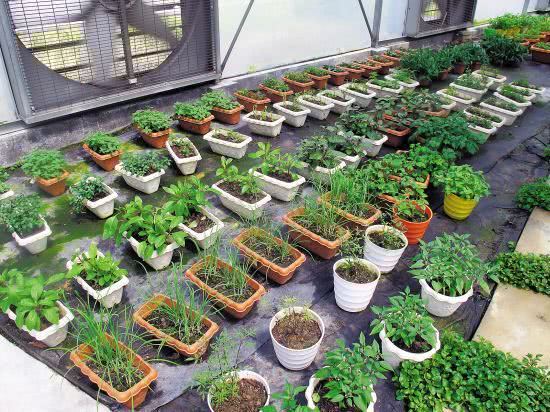
As living standards improve, many people start adding something interesting to their lives. For example, some take up growing flowers and plants, while others fall in love with growing vegetables and fruits in pots. In short, the beauty of life is reserved for those who are thoughtful. When it comes to growing flowers and vegetables, although there is a lot of knowledge and expertise involved, they are both fairly easy to get started with. At home, besides growing some flowering potted plants, you can also sow some vegetable seeds in the remaining pots. Generally, small vegetables grow very quickly - the slow ones take a few weeks, and the fast ones can be harvested in just three to five days. Compared with growing flowers, growing vegetables is probably the most rewarding thing you can do!
Instead of growing flowers in pots, switch to "growing vegetables": harvest a crop every 7 days, growing so vigorously you can't eat it all
There are many small vegetables in life that can be grown in pots, as long as you sprinkle some vegetable seeds into the pot. The more common small vegetables include sprout vegetables, peas, baby bok choy, small chives, spinach, and so on - all of them are very good vegetables suited to pot cultivation. Take my neighbor aunt in my hometown, for example. Although she can't quite figure out how to grow flowers, she is a truly skilled vegetable grower. On the rooftop terrace, she specially set aside an open space and found some flower pots and vegetable pots specifically for growing these common vegetables in containers. When I first visited her place, I was absolutely amazed!
How to grow vegetables in pots
Generally speaking, they are grown from vegetable seeds. Whatever vegetable we want to grow, we first prepare the corresponding seeds, then soak the seeds in water for a few hours to promote sprouting. You can also use some wet wipes and place the seeds on them, which also helps them sprout. Once the seeds start to show a bit of green, you can scatter them in the pot. There is one detail to pay attention to here, and that is the nutrient soil in the pot. Soil for growing flowers is relatively coarse, while soil for growing vegetables needs to be slightly more fertile and finer. It is best to make it yourself by mixing leaf mold, manure, pine needles, garden soil, and fine sand.
What are the benefits of growing small vegetables in pots like this
The first point is that they are pollution-free - these are truly pure, natural vegetables, because we control the entire care process ourselves. No fertilizer is needed, no pesticides are needed; just water them a little every day and they will grow vigorously. Unlike the vegetables sold in the market, we cannot tell whether they have pesticide residues. But vegetables you grow yourself have none at all. In addition, growing small vegetables in pots is especially simple to do and easy to get started with. It can also add a lot of fun to life - full of enjoyment. Why not do it!
For those with a small yard at home, small vegetables are generally planted in the ground. But now many people have moved into apartment buildings. Without a yard, there is still a balcony or a terrace, and that is when the value of flower pots really shows. Growing vegetables in pots is similar to growing flowers in pots. As long as you put in some care, they will grow well and give you a bountiful harvest.
Finally, thank you for reading. Everyone should definitely give it a try!
Remember to like and share~