The Brilliant Trick That Makes Hydroponic Carnations, Chinese Roses and Cyclamen Grow Twice as Fast as Soil-Grown Ones
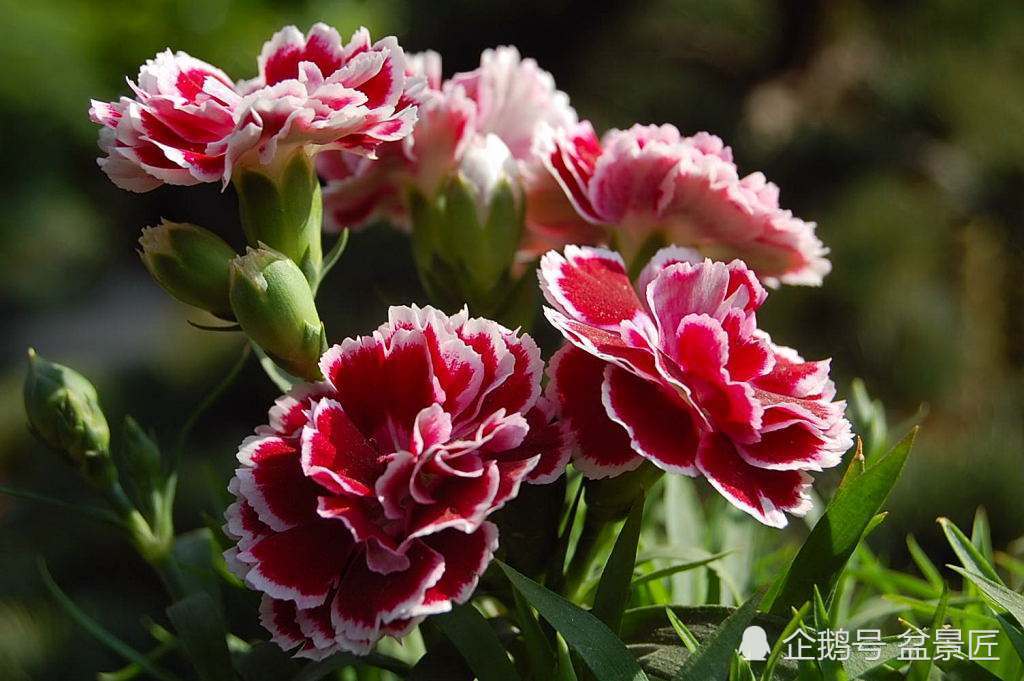
Today I want to share with you the hydroponic methods for three common flowering plants: carnations, Chinese roses and cyclamen.
Carnation
Anyone who has grown carnations knows that the root and stem parts of carnations have relatively weak resistance to microorganisms in the soil. So when planting them, the requirements for the soil are quite high. The soil needs to be disinfected, for example by sunlight, steaming, chemical methods, etc. This was covered in an earlier article. Moreover, soil-grown carnations need to be repotted every year to keep them in good growing condition. To address all these drawbacks of soil-grown carnations, switching to hydroponics can easily solve them.
For hydroponic carnations, you just need to keep the water quality in the bottle good, adding a compound liquid fertilizer each time, in small amounts but often. Hydroponic carnations can be planted a bit more densely, but you must keep good ventilation between each plant. Some flower sprays can simply be fixed and tied to the flower stems. (One thing to tell everyone: carnations may not be grown by as many people as Chinese roses and cyclamen, but in fact carnations are also perennial herbaceous plants, and with proper care they can bloom in all four seasons. For friends who love flowers, they are a great choice, and their flower language carries the beautiful meaning of maternal love. They are best grown in a mother's room. There are quite a few varieties, including the bright red type and the pink-flowered type. It is still worth mentioning their habits: they prefer cool climate conditions, but in winter they need to be brought indoors because they are not cold-tolerant. Pay attention to air circulation, and keep the surrounding air dry with plenty of sunlight. As for the soil, just keep it fertile.)
Chinese Rose
Chinese roses are very common; this is a plant that blooms in all four seasons. As long as you control its temperature and humidity well, blooming is easy. For indoor growing, choosing hydroponics is much better than soil culture. Hydroponic Chinese roses not only bloom quickly, but with good maintenance you can harvest them year after year. When growing hydroponically, it is best to fix the root and stem of the Chinese rose on a mesh pad. This serves a fixing function and keeps the Chinese rose well aerated. During care, the roots of the Chinese rose that grow downward should be allowed to grow down through the gauze mesh.
According to the growing habits of Chinese roses, appropriately lowering the temperature in winter and artificially creating a natural environment can let Chinese roses grow more healthily. However, before the Chinese rose blooms, prune it once, removing overly vigorous flowers and branches and leaves, to ensure normal growth of the Chinese rose. The rest of the time, you just need to keep the water in the hydroponic bottle always sufficient. During the care of Chinese roses, as long as you constantly observe the root growth and create a natural environment for the rose, adjusting appropriately as the external environment changes, you can improve the disease resistance of the Chinese rose and also let the flowers grow better and more healthily.
Cyclamen
For hydroponic cyclamen, first choose a container you like; the material of the container is not limited, glass or plastic are both fine.
Generally for hydroponics we
use established plants, so you need to take the cyclamen out of the flower pot, then rinse off the soil on it with clean water, and be sure to rinse it thoroughly. While rinsing, also pay attention to whether the cyclamen's root system is damaged. If the cyclamen's root system has scars, first cut off the diseased parts of the cyclamen, then soak it in carbendazim for 10 minutes. Then put the treated cyclamen in a cool, ventilated place to dry. The rest is to add water to the prepared container, making sure the water level reaches the top of the cyclamen's tuber. For care, you just need to ensure the cyclamen's water is not cloudy and has no strange odor. Keep it ventilated and maintain a relatively warm temperature. As long as you protect the cyclamen's tuber well, you can watch the cyclamen grow nicely.
Living Stones: A Laid-Back Soil Mix, and the Plants Not Only Stay Fine, They Grow Like Crazy as If on Drugs
Mail-Ordered Jasmine: Pay Attention to 7 Points, and the Plant Won't Die and Will Bloom Abundantly