Once sold at sky-high prices and snapped up by buyers, this year prices have plummeted and farmers are letting it rot in the fields
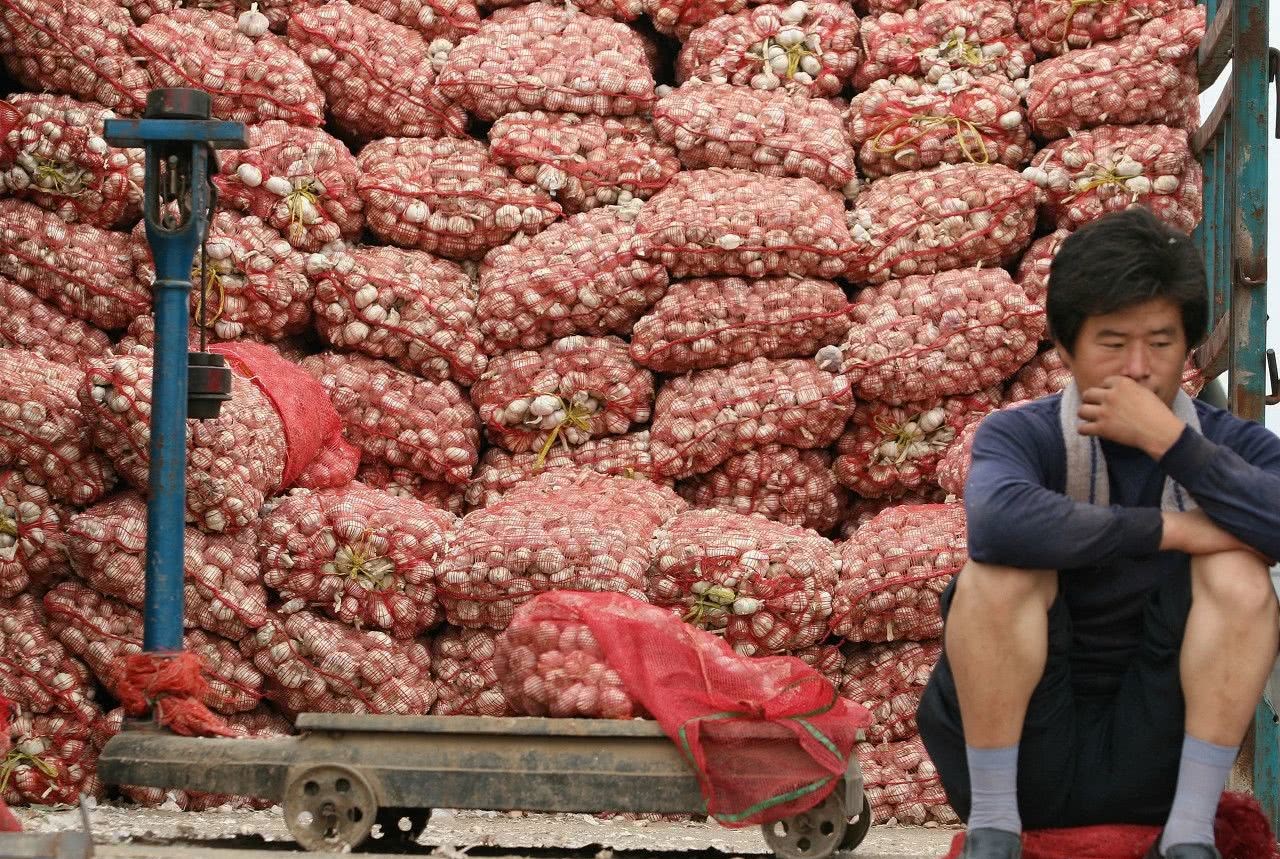
Many people are surely familiar with terms like "Suan Ni Hen" (garlic is ruthless), "Jiang Ni Jun" (ginger is an army), and "Xiang Qian Cong" (spring onions, forward march). These seemingly parodic internet buzzwords reflect, with a humorous attitude, the price fluctuations of agricultural products in recent years. Behind every round of price surges or crashes, what is affected is not only consumers' cost of living, but also agricultural product middlemen and growers. Among consumer goods like onions, ginger, and garlic, the most well-known is undoubtedly garlic, which draws the attention of consumers every year, with prices that seem to ride a roller coaster. Especially in 2012 and 2016, the "Suan Ni Hen" that sparked consumer worries made many people sigh that they could not afford to eat it.
Garlic can be kept fresh in cold storage for up to 3 years, so some garlic traders take advantage of this time to stockpile. When the market is good, many buyers place orders when farmers are planting the garlic. In the past two years, the purchase price of garlic bulbs reached 3-5 yuan per jin. This was good news for growers. After stockpiling in large quantities, vendors sold at the price peak of 8-11 yuan per jin, making a big profit and creating quite a few millionaires, even multimillionaires. Such is the rule of the market: the higher the price, the crazier the market. Tempted by such "sky-high" prices, growers expanded their planting areas one after another, leading to a price drop once the market became saturated.
Just like stock prices, garlic that once had vendors scrambling for it cannot escape market rules no matter how much is stockpiled. This year the garlic price has crashed. The purchase price of fresh garlic bulbs is only seven or eight mao per jin. Growers have no way out. Hiring people is too expensive; labor costs are higher than the garlic price, so they cannot afford it and can only let it rot in the fields. Garlic bulbs are dug during the May Day period each year, and garlic seed is planted around National Day each year. Faced with such purchase prices, many growers plan to switch to other crops. Because judging by the current situation, the more you plant, the more you lose; it is better not to plant at all.
But the price of garlic on the market is not low. According to this year's garlic price trends, the average wholesale price at farmers' markets is 3-6 yuan per kilogram, and the price consumers pay will only be higher. In the end, market demand will always exist, but how to change the current relatively traditional "hit-or-miss" style of planting and establish better direct sales channels is the win-win move for both increasing farmers' incomes and allowing consumers to buy cheap agricultural products.