The correct method and key points for repotting bonsai and changing the soil
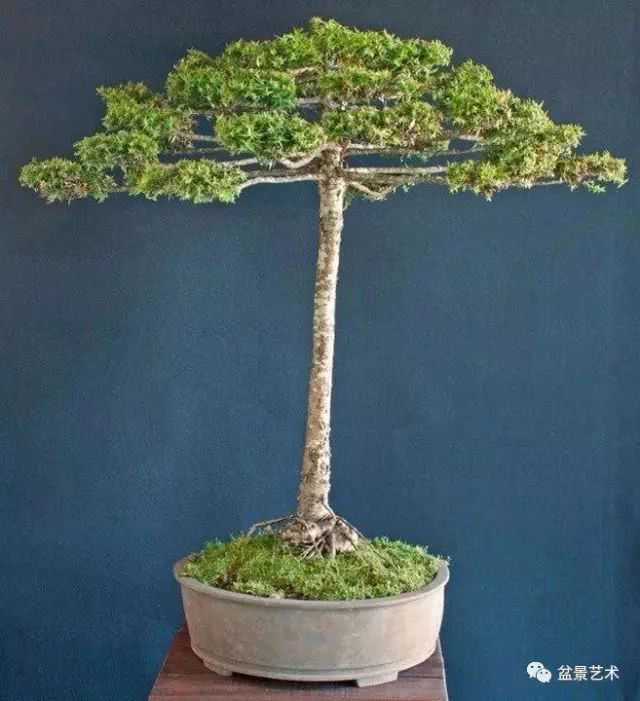
After a bonsai tree has grown in its pot for many years, fibrous roots densely fill the bottom of the pot, making it difficult for water to penetrate and drain and for fertilizer to be absorbed, which affects the tree's normal growth. At this point, it should be repotted and given fresh soil. For repotting, you can use the original pot or switch to a pot one size larger, depending on the size of the tree. Changing the soil can improve the soil's aeration and water permeability, increase soil nutrients, help the bonsai tree grow robustly, and enhance its ornamental effect.
The soil used for repotting a tree stump is mainly leaf mold, paddy field soil, mountain soil, and the like. When changing the soil, you can first add an appropriate amount of nutrients to the soil so that they ferment and volatilize in the soil and become slow-release nutrients, which allows the tree stump to benefit gradually. As for controlling the soil's pH, this should be determined according to the specific circumstances of the tree species. When repotting, generally first secure a screen or tile piece over the drainage hole at the bottom of the pot, then add coarser-grained soil to facilitate drainage, then place the tree stump in, fill in finer-grained potting soil, tamp it firm with a bamboo or wooden stick, and determine the amount of water to apply according to the condition of the tree species.
Repotting of bonsai trees can be decided based on the following aspects:
Generally, small bonsai are repotted once every 1 to 2 years, medium bonsai once every 2 to 3 years, and large bonsai once every 3 to 5 years. If it is an old tree-stump specimen, it can be repotted once every several years.
Tree species that grow vigorously and like fertilizer should be repotted more often, with shorter intervals; tree species that grow slowly and need less fertilizer can be repotted less often, with longer intervals. Old pine and cypress stump specimens should not be repotted too often.
Tree species with lush branches and leaves and well-developed root systems should be repotted frequently. Repotting can be decided by the condition of root growth. When the potting soil is neither dry nor wet, turn the pot upside down and pat the bottom of the pot with your hand so that the tree, soil, and roots all come out together, then check the condition of soil compaction and root distribution. If the soil is compacted and roots densely cover the bottom surface of the soil mass, this indicates that repotting is necessary.
For the timing of repotting, it is best to choose the tree's dormant period, mostly in early spring or late autumn. If a relatively large amount of the original soil is retained, it can be repotted at any time without being limited by season. If most or all of the old soil needs to be replaced, then the appropriate repotting period must be strictly chosen.