What to do about yellow leaves on spider plants? An experienced flower grower teaches you a few tricks to make your spider plant lush and green
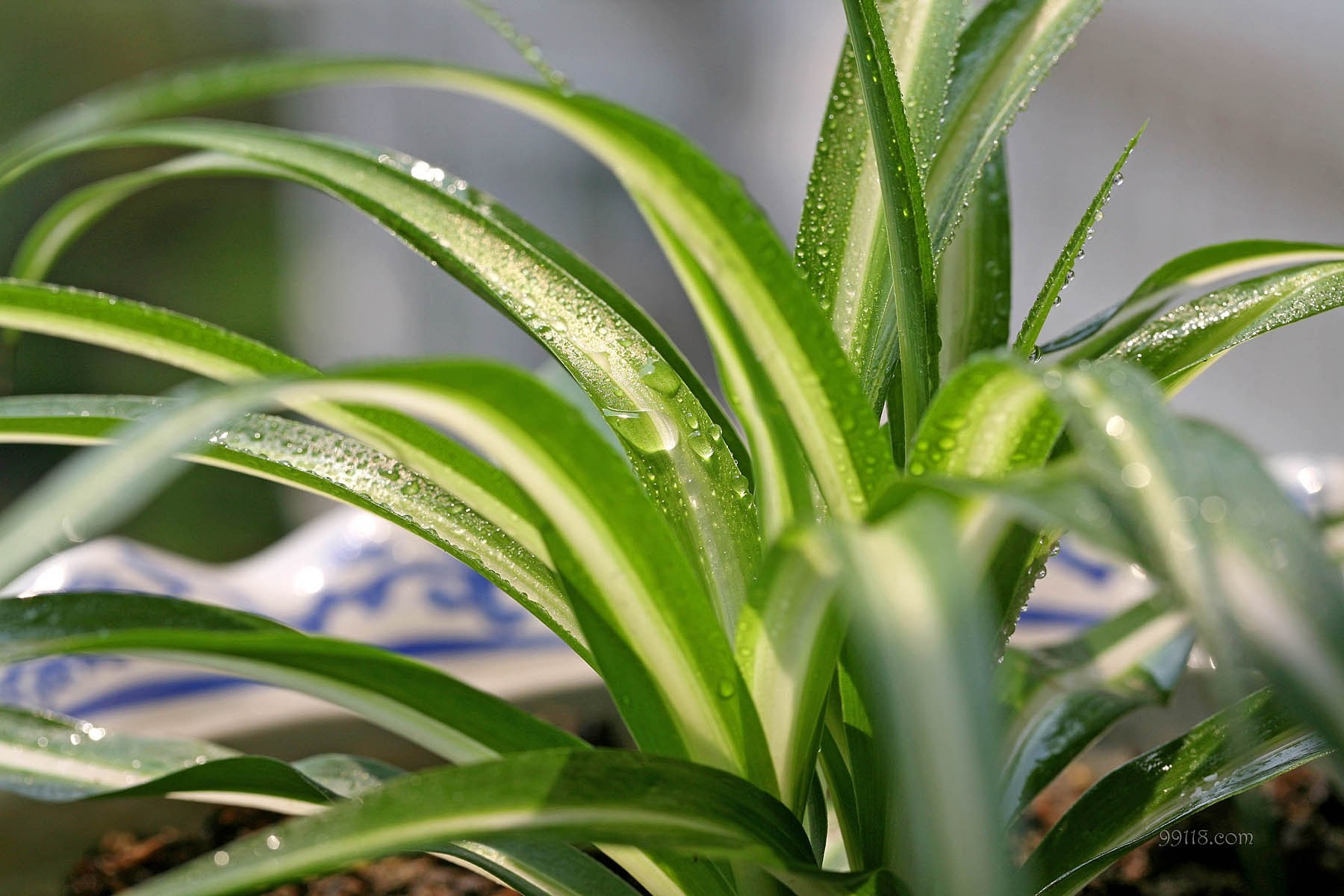
Spider plants are a very common houseplant in daily life. When they grow well, their leaves cascade downward, looking especially beautiful and making people really fond of them. However, when growing spider plants, some problems often come up, and yellowing leaves are one that frequently occurs, but many people don't know what's going on and can't get the spider plant back to normal. So what exactly causes spider plant leaves to turn yellow? Today I'd like to share a few causes with you, and learn from an experienced flower grower how to easily get it back to normal.
1. Yellow leaves caused by improper fertilizing
Spider plants need fertilizing as they grow, but when fertilizing you need to pay attention to the amount, and you must not fertilize too much. If you fertilize too much, it may burn the roots of the spider plant, and once the roots are damaged, they can't properly absorb nutrients to supply the spider plant's growth, so the spider plant very easily develops yellow leaves.
Solution: If yellow leaves appear due to improper fertilizing, you can water the spider plant more to dilute the amount of fertilizer in its pot. If that still doesn't work, you need to repot the spider plant, rinse its roots with clean water, and then replant it in fresh potting soil.
2. Lack of nutrient elements
Spider plants need certain nutrient elements as they grow, but if you don't replenish these nutrient elements for a long time, the nitrogen, phosphorus, potassium and other elements originally in the soil will be used up, and if they aren't replenished in time at this point, the spider plant will very easily develop yellow leaves from lacking these elements.
Solution: You can replace the spider plant's soil with fresh soil in time to replenish the nutrient elements lacking in the original soil, or you can water it with some alum fertilizer water, which will replenish nutrient elements in the soil and bring the spider plant's leaves back to a lush green.
3. Yellow leaves caused by insufficient sunlight
Although spider plants don't like too much direct sunlight, they still need indirect light during normal care. If you keep the spider plant in a place with no sunlight for a long time, then over time, the lack of light will prevent photosynthesis in the leaves, and yellow leaves will appear.
Solution: Put the spider plant in a place where it can receive indirect light, so it has enough light time for photosynthesis. If you keep it in a rather dark place, you should also move it into the sunlight appropriately to receive indirect light. But note that you must not let the sunlight scorch it, and especially in summer you should shade it appropriately.
4. Poor air permeability of the potting soil the spider plant grows in
Spider plants need soil with fairly good air permeability to grow. If the soil's air permeability is poor, water easily accumulates in the pot, and if the water accumulates for too long, the spider plant's roots will have difficulty breathing, which very easily causes yellow leaves.
Solution: Provide the spider plant with soil that has good air permeability, and when choosing a pot for the spider plant, it's best to choose one with holes in the bottom, so the potting soil can stay moist without water accumulating, allowing the spider plant to grow better.