Chrysanthemums may be worth rediscovering from a new angle
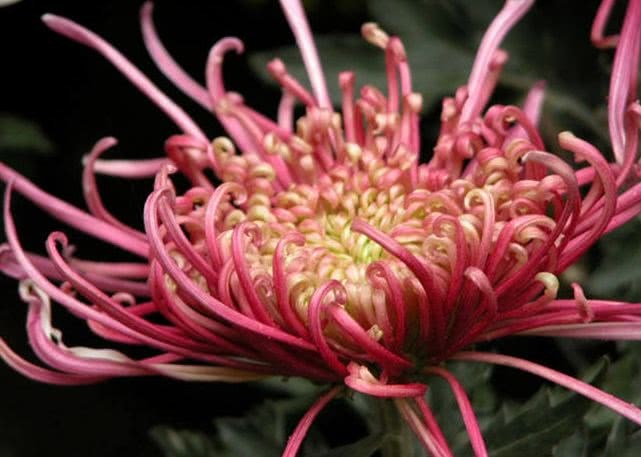
Autumn has arrived, and viewing chrysanthemums has already become a popular seasonal activity! So besides the well-known Tao Yuanming who wrote poetry while drinking wine, the Double Ninth Festival tradition of climbing heights to view chrysanthemums, and so on and so forth, what other distinctive "folk" activities are there around chrysanthemums?
First, let's look at the history of chrysanthemum viewing!
Viewing chrysanthemums has long been a habit passed down among Chinese people. From the imperial courts, official households and common folk of ancient capitals, to the people of various Chinese cities today, chrysanthemum festivals, chrysanthemum exhibitions and chrysanthemum-themed gatherings of various forms are held every autumn. The Beijing Botanical Garden holds chrysanthemum viewing activities every autumn. The chrysanthemum festival in Xiaolan Town, Zhongshan County, Guangdong Province was first held in the late Song Dynasty, and has a history of more than seven hundred years, making it one of the longest-running and largest chrysanthemum festivals in China, with attendance reaching one million at its peak.
There are countless poems, songs and rhapsodies about chrysanthemums: "Li Sao" contains the line "In the morning I drink the dew that falls from the magnolia, in the evening I eat the fallen petals of the autumn chrysanthemum"; "The Book of Rites, Monthly Ordinances": "In the month of late autumn, the chrysanthemum has yellow blossoms," indicating that chrysanthemums bloom in the autumn month; and the story of Tao Yuanming of the Jin Dynasty who was so fond of chrysanthemums that it became an obsession is even more widely known, "Picking chrysanthemums by the eastern fence, leisurely I see the southern mountains”,“Autumn chrysanthemums have fine colors, and with more dew I gather their petals" -- these lines are still widely recited today.
As a medicinal herb, chrysanthemums are truly a remarkable thing! Grind chrysanthemums and aged mugwort leaves into coarse powder, put them into gauze bags, and make knee pads -- these can dispel wind and dampness, reduce swelling and relieve pain, and treat arthritis such as crane-knee wind. The fragrance of chrysanthemums has the effect of dispelling wind and calming the liver; smelling it has a supportive therapeutic effect on colds and headaches.
Of course, what Huashao is most interested in is how chrysanthemums can be "eaten"! Yes, you read that right -- the edible value of chrysanthemums is very great, and they can be made into exquisite dishes. "Chrysanthemum meat" is a chrysanthemum dish developed through long experimentation. It is made from pieces of tender white pork processed by being simmered in a syrup of cane sugar, delicate and translucent, like white jade. On each piece are stuck a few shreds of chrysanthemum petals, fully soaked in oil and sweet sugar. Observe its golden color -- when eaten, there is meat within vegetable and vegetable within meat, sweet and fragrant without being greasy, truly a famous dish. There are also chrysanthemum fish balls, deep-fried chrysanthemum leaves, chrysanthemum fish slice congee, chrysanthemum soup, chrysanthemum wine, chrysanthemum tea and so on. These chrysanthemum meals are not only excellent in color, aroma and taste, but also rich in nutrition. Beijing's famous "chrysanthemum pot" (that is, adding some chrysanthemums to a mutton hot pot to cook the broth) is light and delicious, with an especially distinctive flavor.
Besides these, chrysanthemum tea is also very famous! Tea lovers have probably all tried it -- it clears heat and reduces internal fire, and promotes longevity!
With so many benefits and uses, how about growing a pot of chrysanthemums at home? For viewing, smelling, eating and color, it has everything!
——END——
All the excitement is at Huayipai Youzan Mall
Where there are flowers there is love | Huayipai