Growing roses in autumn: do one thing well and you'll get more blooms
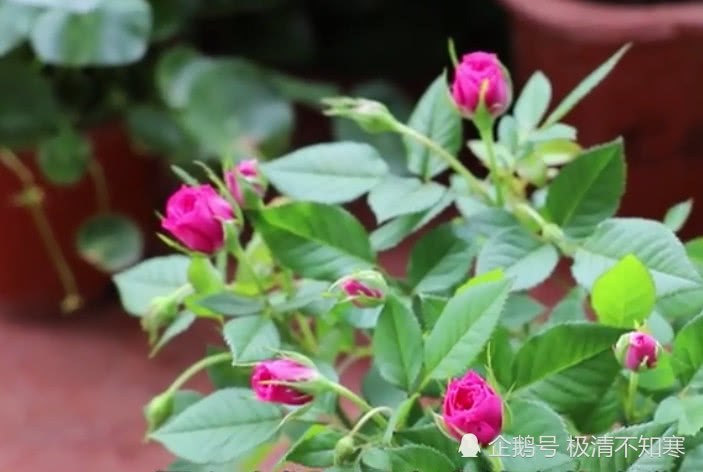
Roses have bright, vivid flowers that leave you dazzled. As autumn arrives, some gardeners find their roses blooming less and less, and the blooms getting smaller and smaller. In that case, we can consider repotting them. Yellow leaves aside, repotting gives the roses more ample nutrients, so they can grow quickly.
The first type is repotting strong seedlings. After summer, well-cared-for rose plants are fairly large, and continuing to grow roots in the previous pot is not good; the sudden supply of nutrients also won't keep up, which is bad for the growth and blooming of the rose's new shoots. At this point you need to switch to a slightly larger pot.
When repotting, add an appropriate amount of chicken powder, chicken manure, sheep manure, or bone meal to the pot; all of these work. When repotting, try to keep the original soil ball as intact as possible. Water after repotting, then simply care for it in the sunlight.
The second type is repotting weak seedlings. Seedlings with weaker root systems should be moved into smaller pots. When doing this, cut off the four roots; if there are insect borers, remove the borers. Also, because the root damage is fairly severe,
when repotting, prune the branches: cut back as many branches as you shorten. This helps the plant recover from lodging. After repotting, water thoroughly and move it to a small pot, which is very beneficial for repairing the newer roots. After several years, it will easily regain its vigor.