Growing orchids has 3 levels, most orchid growers stay at level 1, level 3 is expert
Today an orchid grower asked a big question: how should orchids be grown?
When an orchid grower asks how orchids should be grown, they probably mean keeping them alive, getting them to bloom,making them look goodthese three things,This is the three-step orchid-growing sequence I have summarized, and most orchid growers only linger and stop at the first step -- keeping them alive. Haoshe Nongfu will simply share his own experience.
I have not been growing orchids for long, only a few years, and I have some views and experience of my own about the growth of orchids (wild-collected orchids). Orchids first need to be kept alive, then grown to bloom, and only in the end do you pursue making them look good.
Key points for keeping orchids alive:
1. The orchid seedlings should be healthy and normal. When selecting orchids, observe the roots more; only orchids with strong roots count as healthy.
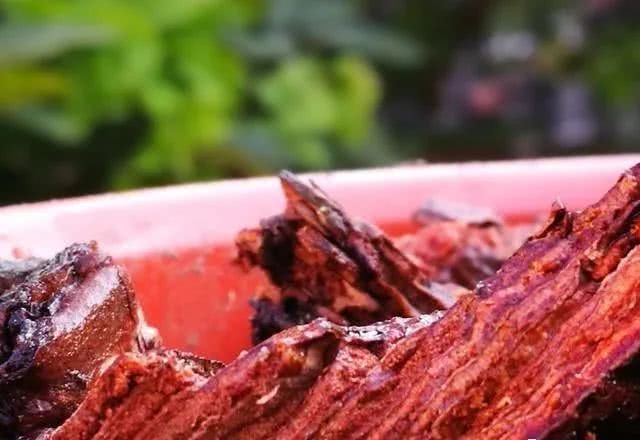
2. The planting medium ratio must be correct, meeting these points: loose, breathable, well-draining, moisture-retaining and fertile. I suggest using a ratio of 65% pine bark + 35% humus soil.
3. More sun and less watering. More sun means in every season except summer; more sun lets the orchid plant accumulate more energy, and the leaves will look better too. Less watering is the only way to avoid root rot.
4. When fertilizing, prefer dilute over concentrated, prefer too little over too much. There are far too many examples of fertilizer killing orchids. Orchid growers should not fertilize more just because they feel sorry for the plant for a moment; once fertilizer damage occurs, it cannot be remedied.
Two, growing them to bloom
1. Orchids need enough accumulated nutrients to bloom. Normally nutrients are stored in the orchid plant, and nutrient production mainly relies on photosynthesis in the leaves and absorption from the soil by the roots. For routine care, you can refer to points 3 and 4 of the first main section.
Three,growing orchid plants to look good and beautiful, orchid leaves only count as good-looking when they have no disease spots or black dots and are dark green and glossy, and the leaf posture only counts as good-looking when it is natural and elegant. All of this requires water and fertilizer management. Can the leaf color reflect whether an orchid lacks fertilizer? Which fertilizer it lacks? Generally speaking, yellow, thin leaves mean a lack of nitrogen; tightly curled leaves with edges that do not spread out mostly mean a lack of potassium. When fertilizing, nitrogen, phosphorus and potassium should be balanced; it is generally recommended to use a three-element fertilizer. If the environment is too dry, the leaves will dehydrate and will not be green and fresh, let alone glossy; while if the environment is too wet, the leaves will be dull and black dots will appear at the leaf tips. So the dryness and humidity of the environment are also very important. While humidifying, you also need ventilation to remove excess moisture.
The above are Haoshe Nongfu's three main suggestions on how to grow orchids well; orchid growers can refer to them.