What are the key technical points of feed feeding management for freshwater crayfish?
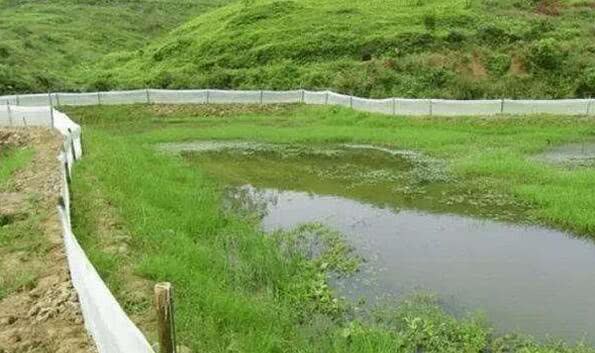
What are the key points for farming freshwater crayfish? Generally speaking, feed is the main source of nutrition for crayfish growth, so crayfish farmers should effectively strengthen feed feeding management to achieve increased yield and efficiency. The following is a detailed introduction to crayfish feed feeding management techniques.
1 Main feeding habits
Crayfish are omnivorous crustaceans with a fairly wide range of feeding habits. Wild crayfish mainly feed on humus and organic debris on the surface layer of bottom mud, aquatic plants (roots, stems, leaves) in the water, attached algae, zooplankton, aquatic insects, small benthic animals, animal carcasses, etc. In artificial farming environments, crayfish mainly rely on artificial feeding of compound feed, grains, cakes, terrestrial grasses and vegetables, etc., to ensure their nutritional needs for rapid growth.
2 Feeding characteristics
First, crayfish have a small stomach capacity and short intestine, and must constantly eat to meet their nutritional needs for growth. Second, crayfish have the habit of resting by day and emerging at night, with the peak feeding period from dusk to dawn. Third, under long-term starvation, crayfish will experience disordered secretion of molting hormones and enzymes; if water temperature rises or water quality changes, this will cause incomplete molting or death. Fourth, when food is insufficient, crayfish will cannibalize each other. Fifth, within the suitable temperature range, the appetite of crayfish increases with rising water temperature, but when the water temperature exceeds 35°C, appetite drops significantly.
3 Feed types
3.1 Natural bait
The natural bait of crayfish is divided into animal bait and plant bait. Animal bait mainly includes rotifers, cladocerans, copepods and other zooplankton; the advantage is rich animal protein, making it a high-quality opening bait for shrimp fry. Plant bait mainly includes green algae, diatoms and other algae, as well as aquatic plants such as Elodea and Hydrilla; the advantage is relatively high content of calcium, phosphorus, protein and vitamins, which can promote the growth and molting of crayfish.
3.2 Artificial bait
The artificial bait of crayfish is also divided into two categories: animal bait and plant bait. Animal bait mainly includes fish, snails, clams, mussel meat and animal offal, etc.; the advantage is high content of fat and animal protein, rich nutrition, which can improve the plumpness and freshness of crayfish meat. Plant bait mainly includes corn, wheat, cake meal, pumpkin, sweet potato, terrestrial grass, vegetable leaves, etc.; the advantage is high content of protein and cellulose, and easy digestion.
3.3 Compound feed
Crayfish compound feed is made into pellets from various nutrients through scientific proportioning. The advantages are comprehensive nutrition, good palatability, high absorption and utilization rate, low feed coefficient, and convenient feeding; it can accelerate the growth rate of crayfish and improve size and quality. The crude protein content of pelleted feed is 30%-40%, with a particle size of about 8 mm (too small a particle size makes it easy for small trash fish to snatch), and the stability in water should reach more than 5 hours, with strong feeding attraction.
4 Feed selection
On the premise of ensuring sufficient and balanced nutritional components, feed should be purchased from feed mills (companies) with a certain scale, strong technical force, good service, good reputation and good results. In ponds where both juvenile and adult crayfish are present, only adult crayfish feed should be purchased, not juvenile crayfish feed, because residual bait, organic debris, aquatic plants, benthic organisms, attached algae and plankton in the pond can already meet the feeding needs of juvenile crayfish. The purchased feed must comply with the requirements of the Ministry of Agriculture of China's "Pollution-free Food: Safety Limits for Fishery Compound Feed" (NY 5072-2002), must not contain prohibited ingredients, and crayfish excrement, residual bait, etc. must not pollute the farming environment. The finished crayfish should be non-toxic, harmless and residue-free, ensuring the quality and safety of aquatic products.
5 Feeding management
5.1 Feeding principles
In the early stage of crayfish farming, the main focus is fertilizing water and culturing bait, with feeding as a supplement; in the middle and later stages of farming, the main focus is feeding, with fertilizing water and culturing bait as a supplement. Appropriately increase the feeding amount before molting to allow the crayfish to store sufficient nutrition and energy in their bodies and promote molting; appropriately increase the feeding of animal bait after molting to promote physical recovery and shell hardening.
Increase the feeding amount before overwintering to store sufficient nutrients and ensure safe overwintering. After emerging from burrows in early spring, crayfish begin to feed; at this time, feed should be provided promptly to promote physical recovery and prevent stress responses. In adverse weather such as cloudy, rainy or muggy conditions, appropriately reduce the feeding amount. When a large number of crayfish are molting, feed less, but do not stop feeding entirely, because crayfish that have not molted or have already molted still need to eat. When water quality deteriorates or the water body is hypoxic, appropriately reduce the feeding amount to avoid worsening water quality. During strong stress responses, control the feeding amount. When the water temperature exceeds 35°C, crayfish have poor appetite and mainly survive by feeding on humus at the bottom of the pond, so the feeding amount should be controlled. When crayfish become diseased and suffer relatively large casualties, stop feeding for 1-3 days, and resume feeding only after water quality and the disease are effectively controlled.
5.2 Feeding methods
When the water temperature reaches above 10°C, feeding can begin in appropriate amounts. February to March is the growth stage of postlarvae and juvenile crayfish, when they mainly feed on natural bait such as rotifers, cladocerans, copepods and aquatic insect larvae in the water. Biological bait can be cultivated by applying sufficient base fertilizer and timely topdressing. Generally, 3-5 days before shrimp fry stocking and within half a month after the shrimp fry enter the pond, timely and appropriately apply and topdress Diatom Wang (main ingredients: microbial flora, multiple medium and trace elements, organic matter and active factors) or amino acid water-fertilizing essence (main ingredients: amino acids, animal and plant proteins, multiple trace elements, multiple vitamins) to cultivate large amounts of algae (algae play a role in increasing oxygen and stabilizing water quality) and zooplankton for postlarvae and juvenile crayfish to feed on, with amounts of 0.5-1.0 kg/mu·m and 1.0-1.5 kg/mu·m respectively. In addition, a portion of compound feed with a crude protein content of 38%-40% can be supplementarily fed once every afternoon, with a daily feeding amount of about 2% of the total body weight of crayfish in the pond.
April is the rapid growth period of crayfish, mainly feeding compound feed with a crude protein content of 36%-38%, twice a day, at around 8:00 a.m. and 16:30 p.m. respectively, with a daily feeding amount of 3%-4% of the total body weight of crayfish in the pond. In addition, after sunset each day, supplementarily feed a portion of fish, snails, clams, mussel meat, etc., with a daily feeding amount of 4%-8% of the total body weight of crayfish in the pond.
May to June is the grow-out period of crayfish. To improve size, quality (plumpness) and yield, compound feed is still the main feed, given twice a day, at around 7:00 a.m. and 17:00 p.m. respectively. The crude protein content of the compound feed is about 35%, and the daily feeding amount is 4%-5% of the total body weight of crayfish in the pond. In addition, each day a portion of plant bait such as cooked corn, soaked and germinated wheat, soybean meal, pumpkin, sweet potato, terrestrial grass, vegetable leaves, etc., as well as animal bait such as fish, snails, clams, mussel meat, etc., can be supplementarily fed. Plant bait is fed at 8:00-9:00 a.m., with a daily feeding amount of 5%-8% of the total body weight of crayfish in the pond; animal bait is fed after sunset in the evening, with a daily feeding amount of 4%-6% of the total body weight of crayfish in the pond.
July to August is the high-temperature period. At this time the weather is hot and the water temperature is relatively high, so feed should be carefully reduced as appropriate to reduce residual bait in the pond and prevent water quality pollution. Generally, a 5-day rotation feeding method using 3-4 kinds of bait is adopted, that is, feed compound feed with a crude protein content of 32%-35% for the first 3 days, then feed animal bait such as fresh fish, snails, clams, mussel meat, etc. for 1 day, and finally feed plant bait such as corn and wheat for 1 day. The daily feeding amount is 3%-4% of the total body weight of crayfish in the pond for compound feed, 4%-6% for animal bait, and 8%-10% for plant bait. At the same time, note that less feed should be given in muggy weather and when water quality is too dense, and feeding should be cautious or stopped in showers and heavy rain.
After August, the weather turns cooler and the water temperature gradually falls, and crayfish enter their second growth peak period. During this period, feed feeding must be strengthened, striving to feed well and feed enough, so as to accelerate the growth of crayfish. At this time, the main feed is compound feed with a crude protein content of about 35%, supplemented with a portion of animal bait such as fish, snails, clams, mussel meat, etc., fed 3 times a day: compound feed at 7:30 a.m. and 14:30 p.m., with a daily feeding amount of 4%-5% of the total body weight of crayfish in the pond; animal bait after sunset, with a daily feeding amount of 6%-8%.
Throughout the entire crayfish farming process, compound feed feeding is mainly done in the afternoon, accounting for 60%-70% of the daily feeding amount. Because crayfish have poor swimming ability and a small range of activity, and have the habit of occupying "territory." Therefore, feed should be placed on pond banks or shallow shoals, and the "five fixed" feeding principle of fixed location, fixed time, fixed quality, fixed quantity and fixed person should be adhered to. The specific feeding amount should be comprehensively considered and scientifically controlled according to season, weather, water quality, water temperature, and the feeding, molting and disease conditions of crayfish. Generally, it is appropriate if the feed is basically eaten up about 2 hours after feeding.
6 Feed-saving measures
6.1 Planting aquatic plants
Aquatic plants have the characteristics of being fresh, tender, crisp and smooth, which conforms to the natural feeding habits of crayfish. Planting some Elodea, hornwort, water hyacinth, water celery, Vallisneria, Potamogeton, etc. in the pond can provide a natural plant bait source for crayfish. In addition, in places with dense aquatic plants, some fresh live animal bait such as aquatic insects, small snails, small trash fish and small grass shrimp can also be attracted for crayfish to prey on.
6.2 Stocking snails
Snails are animal bait that crayfish like to eat. Around Qingming, stock some snails in the pond and let them reproduce naturally in the pond. The newly reproduced young snails attach to the aquatic plants in the pond, have very fragile shells and rich nutrition, and are extremely easy for crayfish to prey on, which can promote growth and improve the size and quality of crayfish.
6.3 Applying fertilizer and topdressing
Timely and appropriately apply bio-organic fertilizer to the pond to accelerate the reproduction of benthic organisms such as snails, water earthworms and aquatic insects, provide large amounts of high-quality natural live animal bait for crayfish, and promote rapid growth of crayfish. In addition, applying fertilizer can also promote the growth of aquatic plants in the pond.
6.4 Increasing dissolved oxygen
According to the dissolved oxygen conditions in the pond, timely adopt measures such as adding water and changing water, regulating water quality and bottom quality, and using aeration facilities (oxygen-increasing agents) to increase dissolved oxygen in the pond water, improve feed digestion and absorption rate, and reduce the feed coefficient.
6.5 Controlling wild fish
When pond clearing is not thorough and when adding water, changing water or putting in grass, it is inevitable that wild fish, wild shrimp or eggs will mix into the pond. They reproduce and grow in the pond, competing with crayfish for food, oxygen and space, affecting the growth of crayfish. Therefore, before stocking shrimp seeds, the pond must be thoroughly cleared and disinfected; when adding or changing water, a fine-mesh net must be used for filtration; and when feeding aquatic plants, they must be sterilized and disinfected, so as to keep wild fish, shrimp and eggs out of the pond.
The above is all the content on feed types and feeding management for freshwater crayfish. In general, in feed feeding management, it is necessary both to let crayfish eat enough and grow quickly, and to reduce waste and lower costs.