Bringing potted plants indoors, letting green plants become honored guests in the home
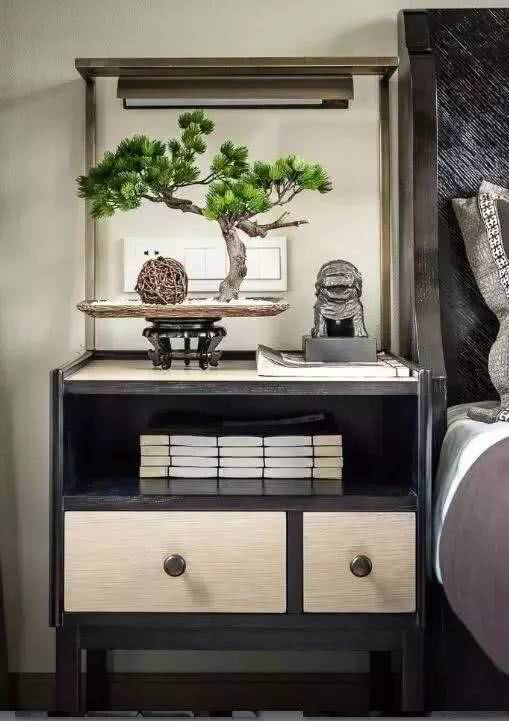
Bringing potted plants indoors, as guests at the table
Although the wonder of penjing lies in its reverence for nature, its creation relies entirely on human effort. From an artistic point of view, art is fundamentally an imitation of nature. For example, in landscape painting, a foot-wide scroll can convey the momentum of a thousand miles. When Du Fu gazed at Mount Tai, layered clouds stirred his breast, flying birds entered his eyes, and he captured in his writing all that his eyes could reach. Penjing seems much the same, only the method of expression differs. Why do the pines of Huangshan have such gnarled, coiled forms? That is not their natural ecology. The mountain terrain is rugged, the cliffs are full of crevices, and the pines grow among them, shrouded year-round in mist and haze, with cold rain whistling down; naturally their branches and stems twist and coil, sometimes even hanging upside down, unable to grow straight even if they wished to. Pines that were never in a natural ecological state thus become part of the natural scenery. Painters delight in their strangeness, and when they put brush to paper to paint pines, they often give them the coiling, dragon-like postures. Those who make penjing follow this idea, placing a small pine in a pot, cultivating it in the least amount of fertile soil, letting it grow but not flourish excessively, pruning and trimming it so its roots thicken, and binding its branches and trunk with lead wire so that it bends into shape and cannot stretch out freely.
-- Liang Shiqiu's essay "Penjing"
Highlights replay:
Chinese penjing welcomes you!
Enjoy at any timeadmirethe penjing exhibition hall
Promote penjing culture, exchange penjing techniques!
Appreciate the art of penjing, share a happy life!