What chicken diseases can pomegranate peel treat? A practical little secret recipe for chicken keepers
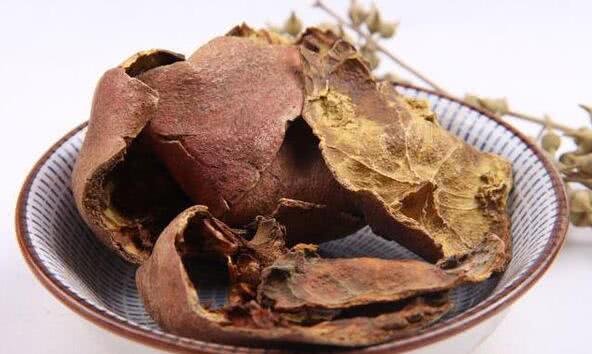
Pomegranates hit the market in autumn, and this is the best season to eat them. Pomegranates are sweet and juicy, and many people love them. When it comes to eating pomegranates, we know that only the seed arils are eaten, and most of the peel is simply thrown away. But in fact, pomegranate peel has many uses. When I had diarrhea as a child, soaking pomegranate peel in water and drinking it stopped the diarrhea right away - truly amazing. Did you think it only treats diarrhea? Recently the editor learned that it is also a great help in raising chickens. Let's find out below.
Pomegranate peel has good medicinal value in chicken raising. In particular, chicken keepers have found that when chickens suffer from cold in the spleen and stomach, reduced feed intake, enteritis and diarrhea, loose droppings, or roundworm infection, using a little pomegranate peel produces the following effects.
Pomegranate peel has the following major effects on chickens
1. Astringing the intestines and stopping diarrhea
The weather has been changeable recently and temperatures are dropping, so chickens easily catch a chill, showing symptoms of cold in the spleen and stomach, cold pain in the stomach and intestines, reduced feed intake, and loose droppings. Pomegranate peel is sour in taste and warm in nature, and it acts on the large intestine meridian. It has an astringent effect on the intestines, and can treat symptoms of deficient cold of the spleen and stomach, cold pain, and loose droppings caused by chilling in chickens.
2. Expelling internal parasites
If chickens are infected with roundworms, there will be white, transparent worm eggs in the droppings. After necropsy of dead chickens, large worms and bleeding and damage in organs and tissues can be seen. Parasites inside chickens absorb their nutrients, causing weight loss, reduced resistance, and listlessness. At this point, feeding chickens some pomegranate peel can expel and kill chicken roundworms. This is because tannins, alkaloids and other components in pomegranate peel have a paralyzing effect on parasites.
3. Inhibiting and killing bacteria
Pomegranate peel contains tannins, alkaloids and other components, and has a good inhibitory effect on Salmonella typhi, Mycobacterium, Pseudomonas aeruginosa, and various skin fungi. When chickens are infected with Salmonella typhi, the droppings of sick chickens turn pale yellow-green or green. In dead chickens, the liver and spleen are significantly enlarged, and the enlarged liver turns pale greenish-brown or bronze-green, while the gallbladder is filled with bile and enlarged. Because pomegranate peel has a good inhibitory effect on Salmonella typhi, combining it in treatment will produce a very good therapeutic effect.
How to use:After pomegranates ripen, collect the peel and dry it in the sun. Harvest the fruit and grind it for raw use. For treatment, use 1-2 grams per chicken, or mix into feed at a ratio of 1%-2%.
That is the introduction to using pomegranate peel in chicken raising. Looking at it now, the pomegranate is truly a treasure from top to bottom - even the peel has such strong effects, and the editor is truly impressed. By the way, do you know what else pomegranate peel can do? You are welcome to share and broaden everyone's knowledge.