Ginseng Ficus Bonsai Management Methods and Daily Care Key Points
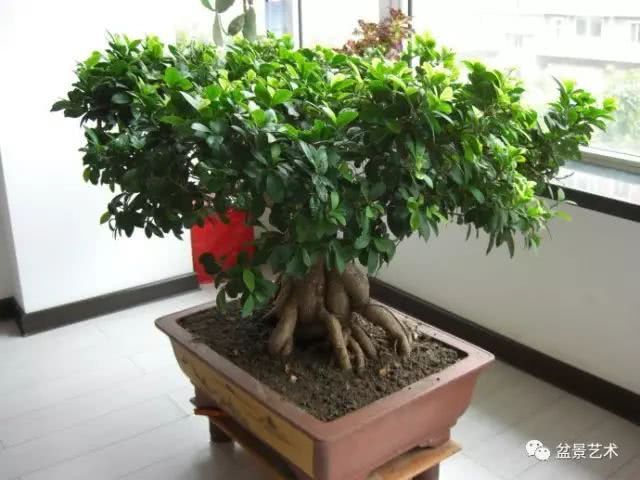
Ginseng ficus, also known as sweet potato ficus, is an ornamental plant of the genus Ficus (Ficus) in the mulberry family. The banyan tree is tall and majestic, self-propagating into forests, with tangled roots, evergreen in all seasons, and is a unique tree species of the subtropics. The ginseng ficus root resembles ginseng, with a natural form, exposed root plate, lush crown, and unique charm, and is deeply loved by consumers around the world. In the Netherlands it has been named "China roots", and it is a flower variety with a Chinese brand that is going global.
The characteristics of ginseng ficus are that it is easy to grow, quick to develop, deep green, and evergreen; it has beautiful aerial roots, beautiful root vines, and beautiful tuberous roots; beautiful form, beautiful root plate, beautiful branches, beautiful bark color, beautiful leaves, and beautiful fibrous roots; and it has vigorous roots, dense branches and leaves, easy growth, tolerance to pruning, and a long lifespan.
Water ginseng ficus by the principle of watering when dry and keeping it dry between waterings, and the potting soil should be kept moist regularly. In summer it should be placed in a shady, cool spot, and the leaves should also be misted regularly. Fertilization depends on the growth condition; generally, during the peak growing season, apply a fully rotted, diluted soybean cake water, rapeseed cake water, or rice bran water about once every 1 month. In winter, prevent freezing damage; in summer, prevent direct sun exposure; and all year round, pay attention to pest and disease control.
Ginseng ficus --- its roots are just like ginseng. When planting, exposing its roots above the soil surface looks very attractive. It is an excellent gift for birthday congratulations.
As for soil, river sand or sandy soil is best for cultivation. To make the ginseng ficus roots both large and fat, add a little fertilizer, and you may use a fertilizer with a relatively high proportion of phosphorus and potassium. The cultivation soil should be a loose, fertile, well-drained, organic-rich, acidic sandy loam; alkaline soil easily causes its leaves to yellow and its growth to be poor.
Fertilize 3 to 4 times each year, and do not overdo it, otherwise it easily causes its branches and leaves to grow excessively and ruins the plant's composition and shape. During its period of sending out shoots and leaves, watering should be appropriately controlled, or more misting and less watering may be used, which can promote shorter nodes and thicker leaves; at the same time, give sufficient light so that the leaves are thick and the leaf color is glossy.
When cultivating ginseng ficus, be sure to use seed sowing so that fat roots can be grown. When growing ginseng ficus, if you can choose a pot with an antique, charming appeal, it will certainly add even more to the elegant charm of the ginseng ficus.
Its leaves are often susceptible to leaf spot disease, which can be sprayed with a 70% thiophanate-methyl wettable powder 800-fold solution. A small number of diseased leaves can also be removed and destroyed early to prevent them from spreading and causing harm.
For a ginseng ficus bonsai, repot once every 2 years, preferably in spring before it is moved outdoors. First loosen the soil around the flowerpot, then gently take out the large tuberous-root plant, break up part of the old soil, cut off some lifeless, aged roots, and replant it in fresh, fertile, loose, well-drained, nutrient-rich potting soil. As the plant grows larger, a slightly larger flowerpot can be used to meet its normal growth needs. While repotting, also moderately prune and adjust the branches and leaves so that it can continue to maintain a good plant shape. Just after repotting, do not water too much; wait until the temperature rises above 20°C, then resume normal water and fertilizer management.