4 kinds of flowers need to be repotted in autumn, otherwise the roots will be too vigorous to survive the winter
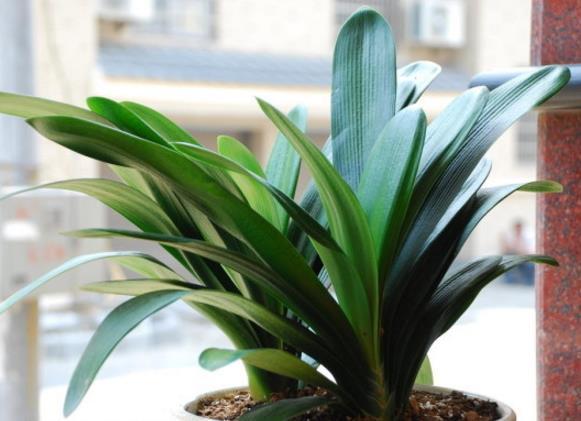
Repotting potted flowers needs to be based on the plant's growth habits; repotting during the bud stage, the full blooming stage, and these three periods will at best affect growth and make them miss their growing season, or make flowers that should bloom miss their flowering period, causing serious consequences. Below are 4 kinds of flowers that can be repotted during the National Day period; if you do not repot them, the roots will be too vigorous to survive the winter!
The first kind: Clivia miniata (kaffir lily) potted plants,After the Start of Autumn, the weather turns cooler, the dormancy period of Clivia miniata ends, and it gradually enters the growing period. Every year at this time, it is time to repot Clivia miniata. First, the Clivia miniata seedling has grown larger, and the small pot can no longer adapt to the development of the root system, so a slightly larger pot should be used and new growing soil should be replaced; second, the Clivia miniata seedling has grown in the original pot for a year, and the nutrients in the potting soil are almost exhausted, so new growing soil should be replaced to ensure nutrient supply.
The second kind: pothos potted plants. The best time to repot pothos is during the plant's dormancy period or before new buds sprout in early spring, for better results. After repotting, pothos needs to be moved to the most suitable light, temperature and humidity environment, with water sprayed on the leaves once every 1-2 days, and before long, the pothos moved to its new home will be full of vitality. Stop watering 1-2 days before repotting; this makes it easier to separate the potting soil from the pot wall. This trick is very useful, because in this way pothos roots are less likely to be damaged, and after repotting the pothos can grow even better.
The third kind: orchids. Generally, the traditional repotting season should be at the Spring Equinox or Autumn Equinox; in the north it should be after the Spring Equinox or before the Autumn Equinox. Due to differences in climate among regions, we can also go by temperature; generally, a low temperature above 10°C is suitable. A high temperature below 30°C is the suitable normal repotting temperature. As for the time to repot orchids, generally spring and autumn are the most suitable, when the orchid plants are at their mature stage and the damage rate can be reduced to the minimum.
In the first half of the year, it is best from the Spring Equinox to Grain Rain, when the flowering period has ended and the leaf buds have not yet sprouted, so they are not easily damaged by cold, and repotting can be done at the right time. In the second half of the year, it is best from the Autumn Equinox to Frost's Descent, when orchids will enter a dormant state; repotting at this time will have less impact on orchid growth, and after resting and recovering through winter and accumulating nutrients, they will be able to flower and sprout well in spring. Mastering the timing of orchid division and propagation is also an important part of caring well for orchids.
Whether for flowers or bonsai, the best time to change the soil is spring and autumn each year, and some plants can also have their soil changed in winter. But never, ever change the soil in summer; summer weather is hot, and changing the soil at this time makes it very difficult to care for the plants and they easily die. When changing the soil in autumn, you also need to consider the plant's habits. For example, camellias are in the bud stage in autumn, and at this time the soil absolutely must not be changed; if gardenias do not produce a large number of flower buds in autumn and their growth is relatively slow, then changing the soil can be considered.
This is a gathering place for flower lovers, sharing flower care tips. Welcome to follow and exchange ideas.