No elevator in an old building? Here's how to improve it. Learn from other countries and getting around becomes much easier for the elderly.
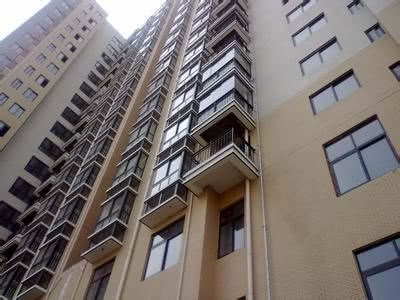
When we buy a house nowadays, one thing we consider is the layout and location, and another is the elevator issue. Nearly all new residential developments today are elevator buildings. Although elevator buildings sometimes have safety hazards, it is undeniable that they also bring a lot of convenience to our lives.
However, most people living in new homes today are young people. Conversely, the majority of elderly people with limited mobility live in old buildings that were built without elevators. As people age, their legs and feet become less able, and although many buildings without elevators are only 6 stories tall at most, climbing six flights of stairs takes a great deal of physical effort for some elderly people, and their legs sometimes simply have no strength left. For elderly people who may have to rely on a wheelchair to get around, it is even more inconvenient. So is there really no way to improve this situation?
Although our country is now renovating old buildings by installing elevators on the outside, it may still take a very long time for this plan to spread across the whole country. In fact, many years ago in other countries, when elderly people lived in buildings without elevators, they would use a device called a "stairway elevator." This device takes less time to install and can likewise make getting around easier for people. Those who are interested can take a look with Huahua and see what it actually is.
From its appearance, the stairway elevator consists of a platform. People stand on it and the stairway elevator safely takes them to the next stair landing. And so on, by riding the "stairway elevator" at each landing, you can easily reach your own front door without spending any effort climbing stairs. For old buildings without elevators, this really is a convenient invention. Now many cities in China have also installed this kind of simple elevator in old buildings, providing a lot of convenience for the elderly. So what are the advantages of this kind of elevator?
1. Saves space, does not take up room
When many old buildings apply to install an elevator, the matter often ends up going nowhere because they cannot reach an agreement with the neighbors downstairs. This is because when an elevator is generally installed in an old building, it affects the daylight in the homes of residents on lower floors and also takes up a large amount of space. By contrast, this kind of stairway elevator is installed inside the stairwell, so it does not affect the daylight on any floor, and because you stand on a platform to rise, it also saves a considerable amount of space to a certain extent.
2. Costs less, reduces neighbor disputes
If a traditional elevator is to be installed in an old building, it would cost at least several tens of thousands of yuan, which means the property management fee for every household would also rise quite a bit. But residents on lower floors do not need an elevator to help them get home, so they do not want to install one. At this point, disputes between neighbors may arise. This kind of stairway elevator is convenient to install and simple in structure, so naturally the amount of money spent is much less. In this way, neighbors also no longer need to argue endlessly over whether to agree to install an elevator.
3. Easy to maintain
Due to long-term use, elevators will more or less develop all kinds of problems, and they are also relatively troublesome to repair. But this kind of stairway elevator is equivalent to each floor having an independent elevator, so even if it breaks down, it is much easier to repair compared with a traditional elevator.
Installing this kind of stairway elevator is equivalent to solving the problem of elderly people having difficulty getting around with relatively little money. I believe this kind of stairway elevator will gradually become widespread in our country!