Bonsai has long since gone global: real footage of how foreigners plant and prune bonsai
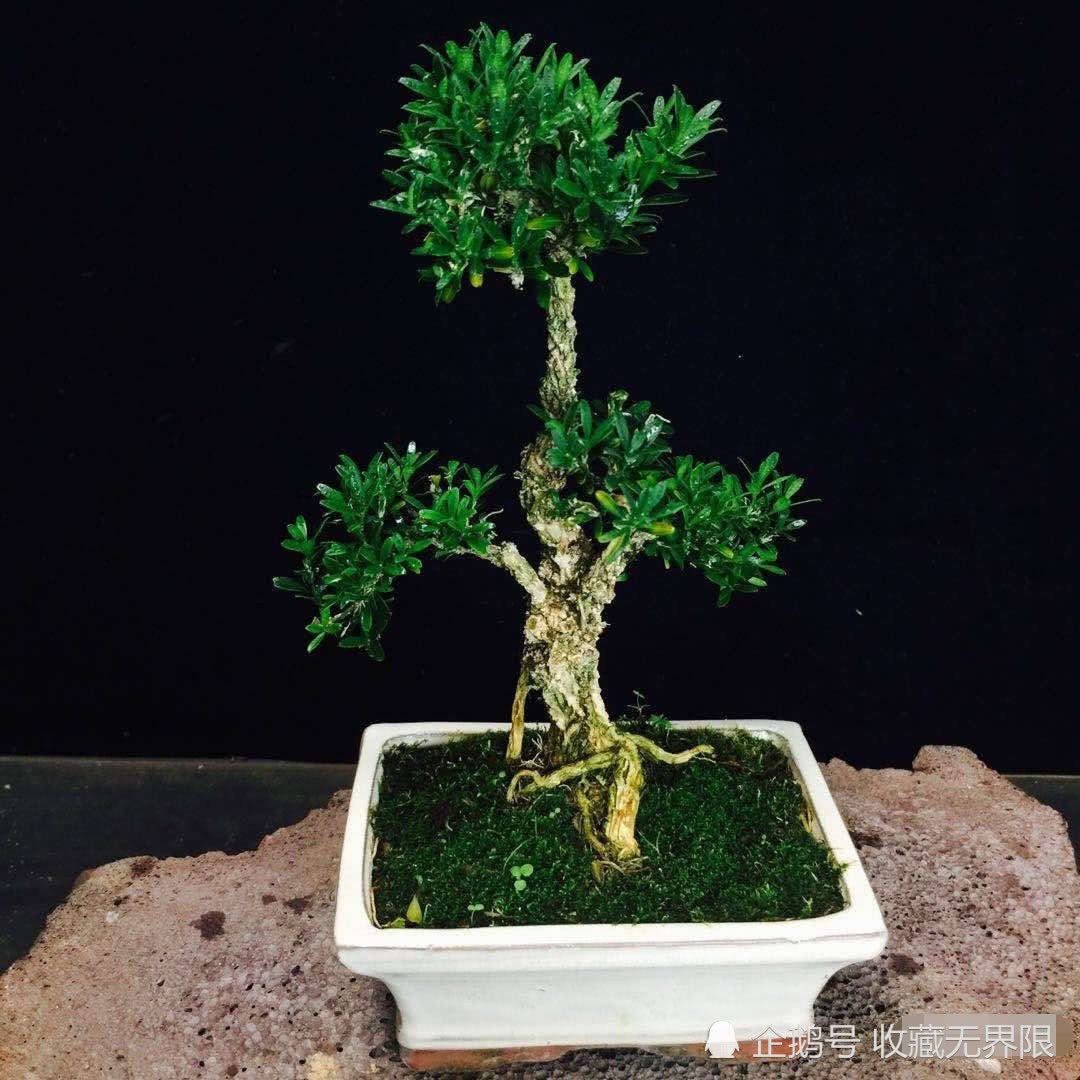
[Product name] Boxwood (Buxus sinica var. parvifolia) dwarf thick-trunk bonsai [Description] Over 30 years old, with wrinkled, weathered bark. Old-node trunk, original pot and original soil, a rare variety! Well-shaped! Clearly defined layers, extremely hard to come by. Boxwood bonsai, because of its slow growth, stays lush and green, full and sturdy all year round. Among the many species used for bonsai, although it lacks the excessive luxury and flamboyance of high-end flowers and plants, it wins over viewers with its steady, solid style and virile character, earning the special favor of bonsai enthusiasts and being regarded as a top-grade bonsai species.
[Product name] Cloud Pine Bamboo combined potted planting [Description] Cloud Pine Bamboo has thick, substantial leaves, like pine layered with clouds, a thick, sturdy main trunk, a superb and beautiful form, elegant and rare, a three-dimensional composition. Both sides are picturesque, an ultimate-grade specimen. Cloud Pine Bamboo is also known as the dwarf asparagus fern "Cloud Bamboo" or "Asparagus Fern Ball", because its needle-like leaves are dense and resemble pine and bamboo, hence the elegant name "Cloud Pine Bamboo"; some flower lovers also call it "Tangshan Asparagus Fern" because it was first discovered in Tangshan. It differs from ordinary asparagus fern: its leaves are especially thick and substantial, its stems very thick and sturdy, and its needle-like leaves cluster together to look very much like pine, while its stems have a structure similar to bamboo nodes, so it also looks like bamboo.
Name: Gardenia potted plant [Description] Over 12 years old, old-node main trunk, well-developed root base, a rare variety! Well-shaped! Clearly defined layers, easy to grow. [Care] Gardenia likes fertilizer and should be given organic fertilizer with balanced, gentle nutrient strength. Gardenia is a flower that likes a humid environment, but if watered too much, the potting soil becomes too wet, which reduces the air in the soil, injures the roots, and can also cause the leaves to turn black and drop. A flowering plant with buds is at its peak of physiological activity, and it must transport large amounts of nutrients through the root system to supply the needs of the leaves and flowers; if it does not get the nutrients it needs, it will drop leaves, drop buds, and even die.
[Product name] Small-leaf Millet Winter old-stump potted plant [Description] Over 25 years old, tended for many years. Clearly defined layers, fresh and refined, simple and easy to grow. Small-leaf Millet Winter likes sunlight, tolerates slight shade, and is relatively cold-hardy; it can be grown outdoors in North China; it has good resistance to toxic gases such as sulfur dioxide and chlorine. It is vigorous, tolerates pruning well, and sprouts strongly. It grows in thickets beside ditches, roadsides or riverbanks, or on hillsides, at altitudes of 100-2500 m.
[Product name] Nandina, small old stump [Description] Over 10 years old, Nandina is an evergreen shrub. It mostly grows beside moist gullies, under sparse woods or in thickets, and is an indicator plant for calcareous soil. It likes warm, humid, well-ventilated semi-shaded environments. Relatively cold-hardy. [Care] Nandina is suitable for slightly acidic soil. Before planting, first cover the small drainage hole at the bottom of the pot with a broken tile, and adding a layer of charcoal is even better, which helps drainage and sterilization. Generally the plant's roots come with soil; if there are broken roots, torn roots, blackened roots or excess roots, they should be cut off. Plant the plant with added soil in the usual way, water thoroughly, then place it in a cool, shady spot; after about 15 days, it can be exposed to sunlight.
[Name] New Zealand Pearl Cypress shaped single-hand potted plant [Description] Wild-grown, no grafting! About 15 years old. Pearl Cypress is a new variety that has appeared in the last ten years or so. Whether domestic or imported, Pearl Cypress is favored by many bonsai enthusiasts, who make bonsai in various forms. The key to growing Pearl Cypress well is the watering and care stage: water daily in spring and autumn, water once in the morning and once in the evening in summer, and in winter spray the leaf surfaces in sunlight. Pearl Cypress likes sun and tolerates cold, growing in two seasons a year, with different growth in spring and autumn.