The Most Nutritious Tree: Its Leaves Are 4 Times More Nutritious Than Milk, and Nine Out of Ten People Don't Know It
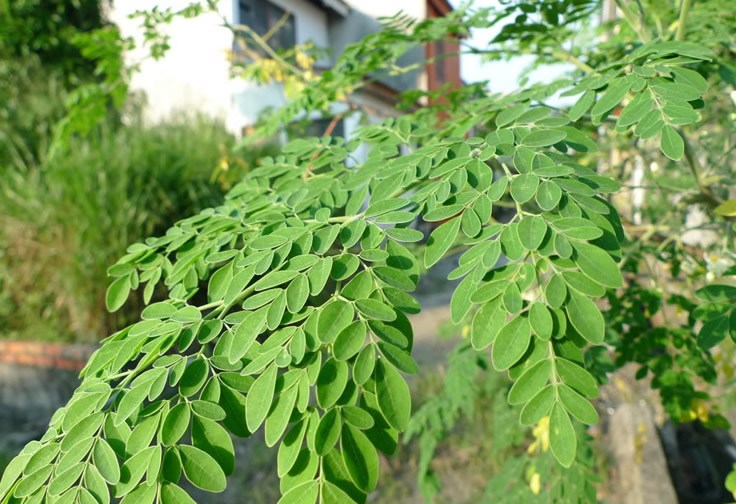
The vegetables we know well are generally common fruits and vegetables; even if there are some unusual ones, we never thought we could eat tree leaves! But this tree called "moringa" is truly all treasure from head to toe. Never mind the rest - just its leaves eaten as a vegetable contain 4 times the calcium of milk.
The moringa tree has always been called the most nutritious tree in the world. There is so much nutrition it is almost too much to count, such as various vitamins and trace elements, dozens of amino acids and antioxidants, and it also has effects such as boosting stamina, lowering blood pressure and treating anemia.
In fact, the moringa tree originated in India, and it is now partly grown in China too, though it is estimated that many people still do not know it. The economic value of moringa is very high: its tender leaves, seed pods and flowers can all be eaten as vegetables, and its roots and fruit can be ground into powder and used as a seasoning. A tree used so thoroughly really deserves the title of being all treasure from head to toe.
Generally, the leaves of the moringa tree are what get eaten most, especially its fresh tender leaves. After washing, they can be stir-fried plain, made into salad or boiled in soup. The taste is a bit like spinach, but with a natural peppery sensation of its own, making the flavor very unique.
Besides being planted in large plots as an economic crop, the moringa tree is now also grown in flower pots for appreciation and eating. The moringa tree is very suitable for pot cultivation. It has small, oval, glossy green leaves and pretty white flowers, giving it high ornamental value.
For a potted moringa tree, the soil should preferably be slightly acidic or neutral, ideally a loose, breathable and fairly fertile sandy loam, with enough base fertilizer applied, such as some decomposed cake fertilizer water.
The moringa tree is a tropical tree species. It likes sunlight and cannot tolerate cold, and it has high temperature requirements for growth. If the temperature can be kept at 20-30°C, it can be grown all year round. It also has a certain drought tolerance, but it cannot endure long-term drought. The soil should preferably be kept slightly moist for a long time. Water more in summer and reduce watering in autumn and winter.
One last point: the moringa tree is a fast-growing tree species and grows very quickly. If a potted plant grows too tall, it is not only unattractive, but its nutrition cannot keep up and it will grow poorly, so it should be pruned regularly to achieve the goals of branch trimming, shaping and dwarfing.