Spider plant experts look specifically for the little switches; once you flip them on, the leaves sprout nonstop
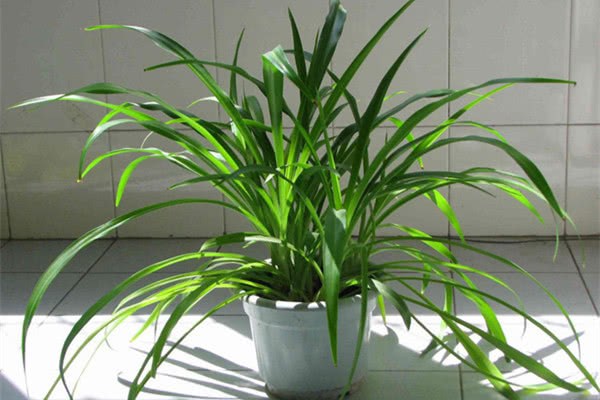
Many people with experience growing flowers always say that once growing flowers becomes a habit, you will find that it is sometimes not just a tool to pass the time, but imperceptibly becomes a passion. In fact, quite a few people go from being complete beginners at growing flowers to later becoming amateur flower-growing experts among the people, and some even go directly into work related to growing flowers. Rather than saying that we are growing flowers and helping them grow, it would be better to say that the flowers are also promoting our growth.
And from beginner to amateur flower-growing expert, the most important point is that the experts have found the techniques in growing flowers, and have classified them differently according to different types, so they can often prescribe the right remedy and make whatever they grow thrive. In fact, these flower-growing techniques, in the final analysis, are about mastering the plant's "little switches." Today, taking spider plants as an example, the editor will talk about how experts growing spider plants specifically look for the spider plant's "little switches"; once flipped on, the leaves sprout nonstop, so useful. And what exactly are these "little switches"?
The first little switch: watering
You should know that water is as important to plants as it is to people. Especially for spider plants, spider plants naturally like to grow in a humid environment. Although the spider plant's root system is thick and can store water to the greatest extent, it cannot tolerate waterlogging. Once a spider plant has water accumulated, it will cause the spider plant's roots to rot. Under normal circumstances, watering about once a week is enough. If you water, water thoroughly, and do not let water accumulate.
So, we can put the spider plant in the bathroom for 2 hours, and prepare a small spray bottle to spray some water on the spider plant's leaves as well. This way, it not only ensures the humid environment the spider plant needs, but also cleans the spider plant's leaves, and the spider plant will grow faster. If using tap water to water the spider plant, it is best to let it sit for 2 days before use.
The second little switch: light
Spider plants prefer a growing environment of partial shade and partial sun, so direct exposure to sunlight should be avoided. If the spider plant is exposed to strong sunlight for a long time, the leaves will easily turn yellow, the growth rate will begin to slow down, until it withers. You only need to place the spider plant in a bright, ventilated place, and rotate the pot from time to time so that the leaves can feel the sunlight 360 degrees, so that it can grow evenly and look nice.
The third little switch: fertilizing
You cannot apply heavy fertilizer to spider plants; apply thin fertilizer, and apply it several times. Under normal circumstances, you can water with decomposed and fermented soybean water 1-2 times a month, because the fertilizer effect of soybean water is relatively mild, with a relatively large proportion of nitrogen fertilizer components, which is more suitable for the overall growth of spider plants. In addition, even if soybean water is used for a long time, it will not cause the soil to cake.
?