A small trick for potted chives makes the leaves wide, big, and growing like crazy in lush green
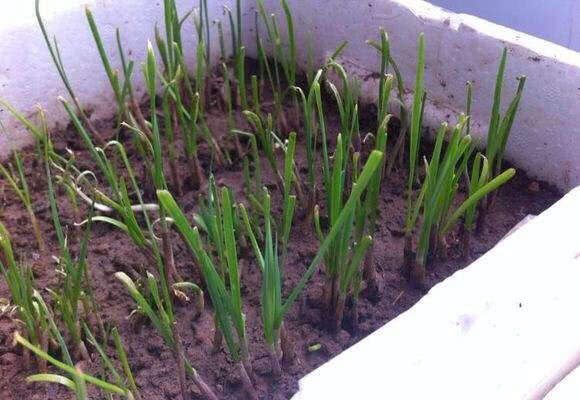
If you are not very good at growing vegetables, you can grow a pot of chives, because they are relatively easy to care for and easy to keep alive, whether you grow them from chive seeds or chive roots. As long as the balcony or terrace gets a bit of sunlight, that is enough. Plant several pots, and the leaves will stay lush green all year round, looking very pleasant and easy on the eyes, and you can eat them whenever you want. But some gardening friends say that the potted chives they grow get thinner and thinner the more they grow. How can you grow them so the chives become thick and sturdy?
When growing potted chives, use a small trick, and the leaves will grow wide and big, growing like crazy in lush green!
If you grow potted chives at home and it has been one or two years, and the soil in the pot has not been changed for a long time, the soil becomes rather compacted and lacks humus and nutrients, so the chives grow rather thin and spindly.
Because chives can be harvested many times after being planted once, and they grow relatively fast, after harvesting once, wait a day for the cut wounds to heal, then promptly water with liquid fertilizer, or apply some organic fertilizer, so they have enough nutrients to keep growing and grow quite plump.
There are quite a few organic fertilizers suitable for chives. You can put some crushed eggshells in the potting soil, or use decomposed chicken manure fertilizer, sheep manure fertilizer, or fermented rice-washing water. Wood ash, peat soil, and leaf mold can all be used as fertilizer. Chives like fertilizer, and with fertility, the leaves will grow especially wide and big, lush green, and very fast.
If chives have been grown for too long, the soil has already become compacted, the roots are damaged, and some roots in the soil may already have rotted. The longer they grow, the worse the chive roots develop.
There is a little trick: every one or two years, dig the chives out together with the roots, trim off the rotten roots and replant, keeping only the healthy roots, then plant them in fertile, loose soil, and they can grow especially lush. About twenty days after planting, they can be harvested and eaten.
Usually, check whether there are root maggots in the soil eating the chive roots. Also, chives cannot be planted too densely, because then there is no ventilation and not enough growing space, so you need to plant fewer.
Also, when growing chives, you need to give them plenty of sun and often open the window to keep ventilation. If there is not enough light, the leaves will also be small and thin. With enough light, water when the potting soil is dry, and with sufficient water and fertilizer and fertile, loose soil, the chive leaves will grow big, wide, and vigorous, and you can often pick them to cook with!