3 tricks for growing spider plants: in 7 days they grow wildly and new shoots fill the pot
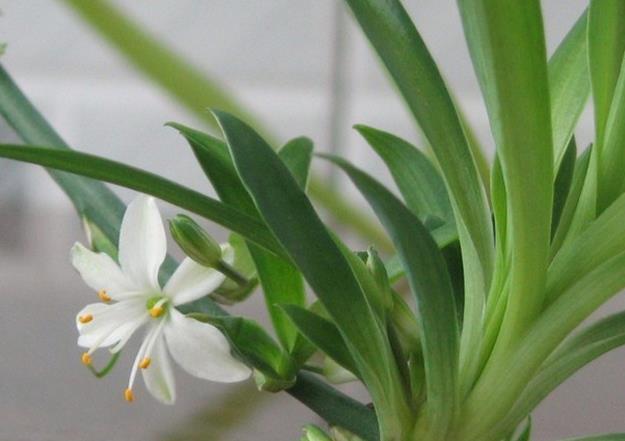
In the cool autumn, keeping a few pots of spider plants on the balcony makes it very easy for them to fill out the pot, because this potted plant is easy to propagate and is relatively easy to care for and manage. Grown well, new shoots shoot out everywhere; careless care often causes spider plant leaves to turn yellow, dry at the tips, or turn black at the tips. Below are the "3" tricks for growing spider plants. Learn the techniques, and in 7 days they grow wildly and new shoots "shoot" all over the pot!
The first trick for growing spider plants: if it is the hot summer, during care do not expose them to direct sunlight. Spider plants like a semi-shady environment and are very sensitive to light. If exposed to direct sunlight in summer and autumn, the leaves will wither and yellow, and even the whole plant may die, so avoid strong direct sunlight, place them in a cool, ventilated spot, and pay attention to maintaining environmental humidity; at most they can receive a little slanted sunlight in the morning and evening. In winter, since the sunlight is not strong, spider plants can be given some direct sunlight as appropriate.
The second trick for growing spider plants: regarding watering, spider plants like water. Because their fleshy roots have well-developed water-storing tissue, they have strong drought resistance, but from March to September, during the peak growth period, they need a lot of water, so water and mist them often to increase humidity and keep the potting soil completely moist. During the winter dormant period, water only after the top about one cm of the potting soil has dried. Note that if the soil is too dry, the leaf rosette will temporarily fade in color; after watering again it will recover its original color, but the leaf tips may permanently turn brown. Around noon and in the evening, also spray water on the branches and leaves.
The third trick for growing spider plants: turn the pot often. During the day, sunlight can only reach one side of the spider plant pot. If you turn the pot once every week, it will receive light evenly, which will make the spider plant symmetrical all around and greatly increase its ornamental value. Does your spider plant have one half with leaves growing very vigorously and new shoots constantly shooting out, while the other half has short, small leaves with no gloss? That is because the pot is not turned often, so the sunlight received is different.
Now let's talk about care. Usually, to tell whether a spider plant needs watering, you do not need to follow a rule of watering once every few days. Just look at the surface layer of soil in the pot. If the soil looks very dry, poke the soil inside with a toothpick and it is also very dry, then you can water. Water more in summer. In summer the temperature is high and the sun is strong, so evaporation is high. For spider plants placed on an open-air balcony, water twice a day.
Whenever it is slightly short of water, replenish it in time, because if it is not watered for a day, it can easily dry out and wither in the sun. Water less in winter. When winter temperatures are below 5 degrees, spider plants basically stop growing. If you see the soil surface dry, do not rush to water; especially when it is a few degrees below zero, water even less and more cautiously.
This is a gathering place for flower lovers, sharing flower and potted plant care tips. You are welcome to follow and exchange ideas.