What are the key points for syndrome differentiation of chest bi with cold congealing the heart vessel?
Diagnosis in traditional Chinese medicine is to determine whether it is a certain disease such as chest bi, and after diagnosis is confirmed, it is still necessary to further specifically apply the four diagnostic methods of traditional Chinese medicine - inspection, auscultation and olfaction, inquiry, and palpation - in combination, and to carry out syndrome differentiation according to the eight principles of traditional Chinese medicine, namely yin, yang, deficiency, excess, exterior, interior, cold, and heat, so as to establish the guiding basis for medication. Generally, in the initial symptoms, excess syndromes or deficiency syndromes are unified, such as cold excess syndrome with exuberant yin qi, deficiency syndrome with deficiency of yang qi or yin qi, and so on.
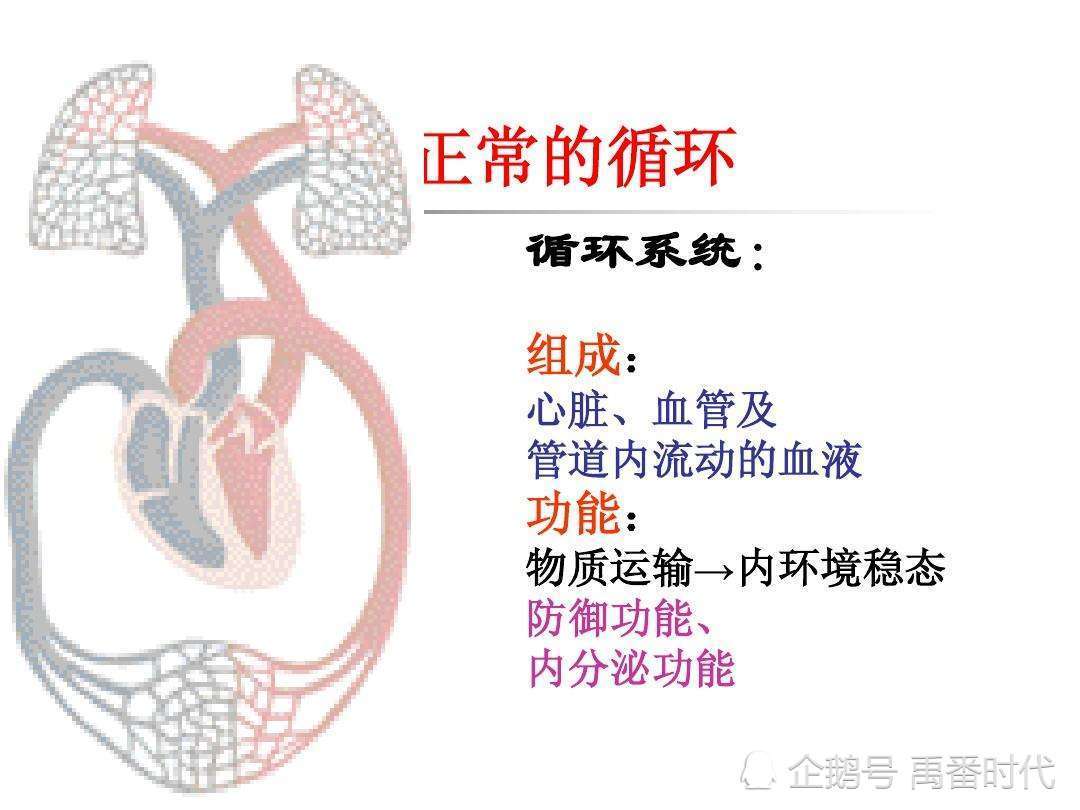
Normal cardiac circulation
This still needs to be combined with various factors such as primary or secondary factors for comprehensive syndrome differentiation and judgment. For example, chest bi is a secondary complex lesion. Bi syndrome is generally caused by wind, cold, dampness, and other factors alone or in combination. Among chest bi cases, cold bi is the most common. After diagnosis is confirmed, Gualou Xiebai Baijiu Tang and Gualou Xiebai Banxia Tang, etc., are usually selected as the main formulas, and then modified. Chest bi corresponds to coronary atherosclerotic heart disease (angina pectoris, myocardial infarction), etc. in Western medicine.
From the perspective of Western medicine, coronary atherosclerotic heart disease (angina pectoris, myocardial infarction) is also a relatively serious disease. The theoretical understanding of this disease in traditional Chinese medicine includes nearly ten major causes, mechanisms, and pathologies such as cold congealing the heart vessel, qi stagnation in the chest and heart, phlegm turbidity blocking and obstructing, blood stasis obstructing and blocking, insufficiency of heart qi, depletion of heart yin, and failure of heart yang. This section mainly exchanges and shares the syndrome differentiation and treatment of cold congealing the heart vessel in chest bi, and the rest will follow in order.
Zhishi Xiebai Guizhi Tang for chest bi
Cold congealing the heart vessel is one type of excess in the branch among chest bi cases, and there are also other branch excess patterns such as phlegm turbidity, qi stagnation, and blood stasis. Deficiency patterns include various patterns of yin, yang, qi, and blood deficiency, or combinations of multiple patterns. In chest bi with cold congealing the heart vessel, there is often sudden pain in the heart like a knife twisting, and in some cases the knife-like heart pain spreads across the entire front chest and back, along with palpitations, shortness of breath, a feeling of cold all over the body and icy cold limbs, and in some cases even breaking out in cold sweat. Pulse examination may show deep, tight, and rapid pulse, and tongue diagnosis may show a thin white tongue coating.
The sudden appearance of the above symptoms actually also has triggers. Most causes are a sudden drop in temperature and abrupt cold, which can trigger this disease or worsen the condition. During treatment, it is necessary to warm the meridians and dissipate cold, and activate blood circulation and unblock bi. Zhishi Xiebai Guizhi Tang combined with Danggui Sini Tang can be selected as the main formula and then modified. In chest bi with cold congealing the heart vessel of the branch excess type, it also shows a tendency toward yang deficiency with internal deficiency cold, and during cold congealing, yang qi is also damaged, even developing into a severe chest bi case with extreme exuberance of yin cold. During treatment, it is necessary to warm yang, expel cold, and relieve pain. Suhexiang Wan or Guanxin Suhexiang Wan can be selected as the main formula, and then modified.