Potted snake plant rotting roots and yellow leaves in winter? Pay attention to 3 points for shiny leaves and no root rot
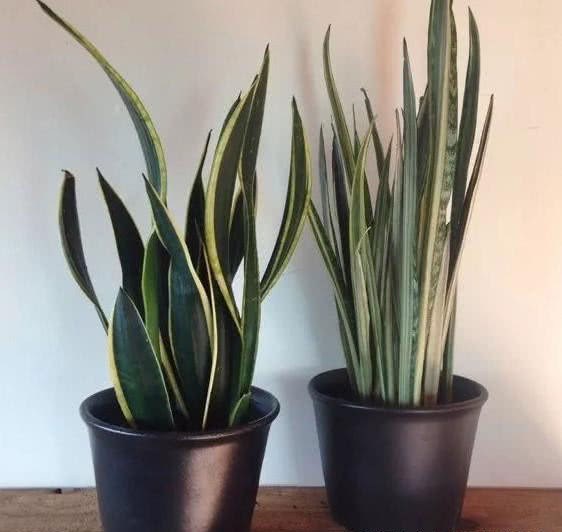
The snake plant is one of the many varieties of orchids, and it is a perennial evergreen herbaceous plant with extremely strong vitality. It has several different names, but possesses the same body. Because it bears a tiger-skin pattern on its body, it is called snake plant. Also known as tiger tail sansevieria and brocade sansevieria, it is a foliage plant of the Asparagaceae family and the Sansevieria genus.
The potted snake plant has wide, thick leaves that, from bottom to top, resemble a green sword thrusting straight into the clouds, upright and handsome; the leaves bear horizontal stripes of alternating dark green and light green, and the leaf edges are bordered in golden yellow that contrasts sharply with the green, elegant and noble. Moreover, it has vigorous vitality, needs little care, and can even release oxygen, making it most suitable for growing in the bedroom.
The potted snake plant has strong adaptability, preferring loose sandy soil and humus soil, and tolerating drought and poor soil. It likes light, but is not cold-tolerant; improper winter care can easily lead to yellow leaves and root rot, causing the whole plant to die from decay. In fact, as long as you master the following 3 points, you can avoid the occurrence of rot.
The potted snake plant needs to be brought indoors to overwinter in winter, and should be placed in a sunny spot at home. Because its leaves have a very high water content, if they suffer frostbite the cells will freeze, crack and burst, making them very prone to frost damage, and the plant cannot survive at temperatures below zero. In winter, if there is no heating at home, it is best to cover the plant with a transparent protective film to provide insulation.
For winter watering, as long as the potting soil is not particularly dry, there is no need to water. This is because the snake plant is a desert plant, afraid of both freezing and waterlogging, and watering should be stopped in places without heating or air conditioning. The lower the temperature, the less you should water, just enough to keep the leaves from wilting.
The snake plant itself does not particularly like fertilizer, so in daily care do not fertilize too frequently, especially in winter, when no form of fertilizing is allowed during its dormant state. In addition, regarding fertilizing, one more thing to note is that it is best to apply a balanced fertilizer mix, and not a single kind of fertilizer alone; for example, applying only nitrogen fertilizer can easily cause the plant's leaves to darken.