What soil is best for planting jasmine? What is the difference between soil used for home cultivation and soil used at commercial growing sites?
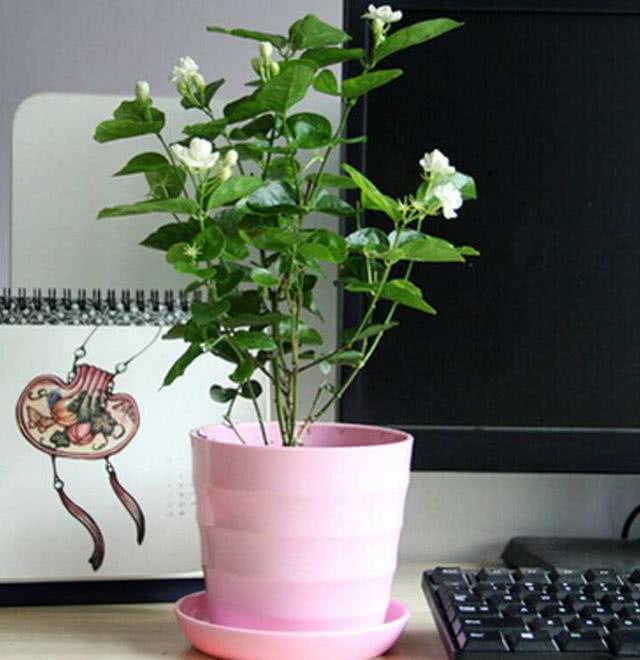
Jasmine has very strong vitality and a well-developed root system, and it is not demanding about soil. Some jasmine growing sites use garden soil directly and still grow jasmine with lush branches and leaves and flowers all over the branches. So why do we still recommend choosing loose, breathable garden soil mixed with pine needles or other soil for home cultivation of jasmine? That is because home cultivation of jasmine has limited conditions and cannot compare with large-scale cultivation at growing sites with professional techniques and equipment.
If you are growing jasmine in the ground, you can also use garden soil directly. Loosen the soil and fertilize regularly as usual, and it can still grow very well. But if you are growing potted jasmine at home, it is still recommended to choose relatively loose, fertile soil with good drainage to prevent soil compaction caused by watering during later cultivation.
Observant flower lovers may notice that the original-potted jasmine we buy back from the flower market is mostly grown in garden soil or red soil, yet it can still grow with lush branches and leaves. But after you bring it home, if you do not repot it and change the soil for a long time, it will not grow well. Soil compaction is especially likely, and the plant will become weaker and weaker because the roots cannot breathe normally.
The main reason is that although growing sites use garden soil in pots, they use simple plastic pots with large holes that have good water and air permeability. Large batches of jasmine are grown pot after pot, placed directly on the ground. When the roots grow vigorously, they pass through the flower pots and take root in the ground. The root system is the main base of plant growth. When the root system is well developed, the plant will inevitably grow vigorously. In addition, growing sites use unified scientific management and professional techniques. Watering, fertilizing, temperature, humidity, and pruning are all carried out according to corresponding professional procedures. Before going on the market, flower farmers directly cut off the part of the roots outside the pots in the ground, and then the plants leave the greenhouse to be sold in the flower market.
But when we grow potted jasmine at home, all kinds of conditions cannot compare with growing sites. In addition, garden soil is relatively sticky and heavy, and the space in the pot is limited. Over time, wind and sun exposure and the watering process can easily cause soil compaction and affect root respiration. Garden soil also has limited nutrients. If fertilizer is not applied in time, it will also cause poor plant growth or only leaf growth without flowering. Therefore, you should still choose loose, breathable garden soil mixed with pine needles or leaf mold, plus a small amount of perlite or coarse sand in the soil mix. At the same time, provide sufficient light and water and fertilizer supply, and prune regularly. Jasmine likes slightly acidic soil. Using a 1:2000 ferrous sulfate solution to drench the roots once a month can effectively prevent soil alkalization, enhance leaf photosynthesis, and prevent iron-deficiency leaf yellowing. In this way, you can also grow jasmine with lush branches and leaves and flowers all over the branches!