When growing flowers, put 3 kinds of waste residue into the pot, and you won't need to fertilize for a year; the leaves will be thick, plump and glossy green
Many things in daily life can be used to grow flowers. After fermentation, they can be placed at the bottom of a flower pot and make excellent fertilizer. For example, leftover fruit peels can be fermented into organic fertilizer, which is a very good fertilizer for growing flowers; another example is expired milk, which after fermentation is diluted with water and used to water flowers. Today let's talk about 3 kinds of "waste residue" that, when used to grow flowers, mean no fertilizing for 1 year, making whatever you grow thrive, and making flower leaves so plump they drip with oil!
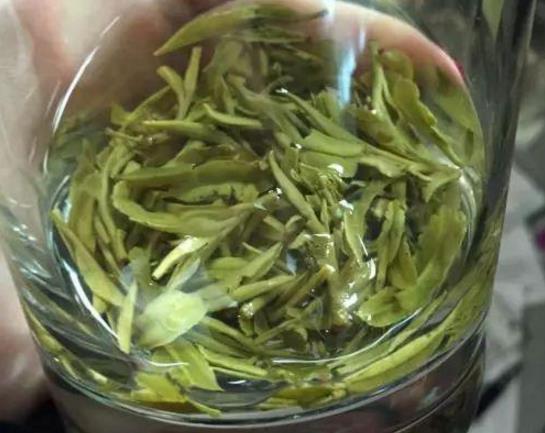
The first kind: tea residue. Used tea residue can be used as fertilizer. After tea residue is composted, the content of ammonium nitrogen and nitrate nitrogen increases rapidly, so after tea residue or tea dust is composted and fermented and applied to the soil, it can not only improve soil fertility and improve soil structure, but also inhibit the nitrification of ammonium nitrogen such as ammonium sulfate and urea, reducing the volatilization loss of inorganic nitrogen. It is a good organic fertilizer.
One thing to note is that if the tea has not been fermented, the amount added cannot be too much, otherwise during the decomposition process the tea will instead consume a large amount of nitrogen nutrients in the soil and will also produce a large amount of heat. Here tea can only play the role of supplementing organic matter and improving soil structure, because the nitrogen, phosphorus and potassium nutrients contained in tea itself are very low. It can be used for Chinese roses (Rosa chinensis) and gardenias (Gardenia jasminoides).
The second kind: okara (soybean dregs). This thing can be used to grow flowers. When repotting, mix it with the soil or place it at the bottom of the flower pot; it is a very good organic fertilizer, and very suitable for growing Chinese roses and gardenias. Some flower lovers ask: when I look up information online, it all says that to compost okara you need to add water or add soil, but I only need to use okara. May I ask, can I not add anything to the okara? I use it to grow Chinese roses. Can I just let it ferment directly like this? Also, the internet says adding soil is to prevent odor, so will it smell if I don't add soil?
This does not need to be added. Keep it moist and put it in a warm place, and cover it with a layer of plastic film. If the temperature is high, about half a month is roughly enough. Well-fermented flower fertilizer has no strong odor, is mud-like, and can be used after drying. As for fermentation, it will definitely smell; odor-causing substances are produced during the fermentation process. It doesn't matter, they will volatilize after a few days. Adding soil is useless too. If you have leftover food or leaves at home, they can also be put in to ferment together, but detergent cannot be added, and soil does not need to be added either.
The third kind: oil residue. It is rich in protein and oil, and after fermentation it is a very good organic fertilizer. How does this thing come about? It is a kind of residue produced when rapeseed is pressed for oil. In the process of growing flowers, it can be mixed with flower-growing soil, or placed directly at the bottom of the flower pot. When growing fertilizer-loving plants at home such as pothos (Epipremnum aureum), spider plant (Chlorophytum comosum) and clivia (Clivia miniata), place fermented oil residue at the bottom of the flower pot, and you won't need to fertilize for a year; the leaves will be so plump they drip with oil.
This is a gathering place for flower lovers, sharing flower and potted plant care tips. Welcome to follow and exchange ideas.