3 tips for caring for clivia during the National Day holiday: white roots in 1 week, flower spikes in 30 days
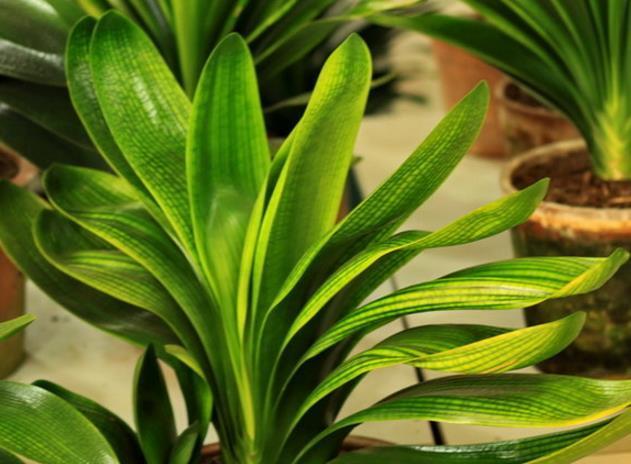
As the National Day holiday arrives, friends who love flowers and potted plants will keep a few pots of clivia at home. Whenever work gets tiring, a look at them lifts the mood. But here is the problem: wanting to grow clivia yet not knowing how to care for it. Let us take a look together; use these "3" tips and you will get white roots in 1 week and flower spikes in 30 days!
Tip one: during the National Day period, do not repot or change the soil of clivia casually when caring for it. At this time the weather is gradually turning cooler, and it is no longer very suitable to repot and change the soil of clivia. For flower lovers who have not yet gotten around to repotting and changing the soil of their clivia, it is best not to dig the clivia out of the pot and then repot it and change its soil.
Tip two: the soil issue. The native habitat of clivia is under the large trees of high-altitude forests in southern Africa, where the plant's roots are anchored in leaf litter layers that have accumulated over many years. Clivia should be grown in loose, fertile neutral or slightly acidic humus soil. The growing medium can be mixed from 65% humus soil, 20% clean sand and 15% fine furnace ash, and the relative humidity of the soil should be around 40%.
Tip three: pay attention to rain and spraying water. After the start of autumn, the climate gradually turns cooler. During long spells of autumn rain, mature clivia have more opportunities to cut spikes and set seed and to send up spikes and bloom. If they are exposed to rain or watered too much at this time, root rot, spike rot and heart rot can occur. Therefore, when the spikes are up and blooming, do not spray water; instead, about every half a month, water once with rotted cake fertilizer water. When watering, prevent water from entering the center of the leaf rosette, and do not let rainwater pour into the leaf rosette either, so as to avoid rot of the core.
After the Start of Autumn, remove the summer shading setup and let the clivia see as much sunlight as possible. If the indoor spot is shaded and there is too little sunlight, you can also supplement with lamplight for 1 to 2 hours; red light is best, not white light. In autumn the temperature alternates between cold and hot, and the difference between day and night is fairly large. When caring for clivia at home, make sure windows and doors are closed well; especially at night, the plant must not be hit by cold wind.
When caring for clivia at home, a kind of small black-gray flying insect often appears in the potting soil. Especially if you often water clivia with rice-washing water, the small flying insects are even more likely to appear. This small flying insect is a kind of hymenopteran insect, and they live by feeding on the organic matter in the nutrient soil. The small flying insects have little effect on the growth of the clivia plant, but they do affect ornamental value and hygiene, so they should be dealt with.
This is a gathering place for flower lovers, sharing flower care tips. You are welcome to follow and exchange ideas.